Bill Rice on Building Pipelines That Actually Work (Part 1)
Craig and Jason are licensed P&C agency owners, co-authors of Million-Dollar Agency, creators of the trademarked Telefunnel, hosts of The Insurance Dudes podcast, and speakers.
Written and reviewed under our editorial process. Found an error? See our corrections policy.
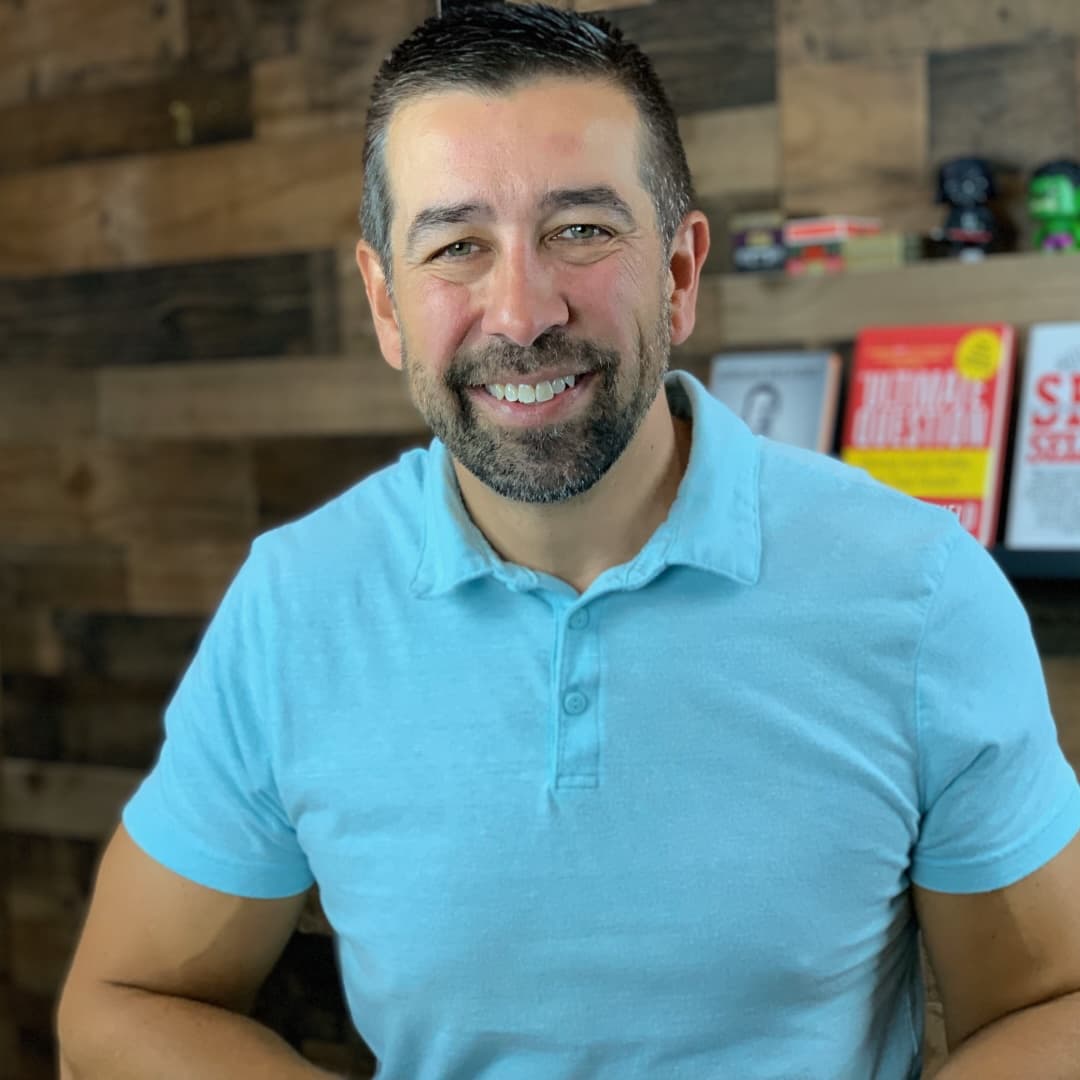
A pipeline that produces bound policies comes down to three variables: source quality, speed-to-contact, and follow-up persistence. Bill Rice of Kaleidico explains why a five-minute response window and ten contact attempts beat cheap leads every time.
A pipeline that produces bound policies runs on three variables: source quality, speed-to-contact, and follow-up persistence. Bill Rice of Kaleidico breaks each one down with the math and the operational fixes most agencies are missing.
Why is lead generation more complex than most agents think?
The word "lead" gets thrown around in insurance like it's a single, uniform commodity. You buy leads. You work leads. Leads are good or bad depending on the vendor. This framing misses almost everything important about how leads actually work.
Bill's starting point is that a lead is not a thing, it's a stage in a process. Every piece of contact information that enters your pipeline is at a different point in a decision journey. Some people are actively shopping with a credit card ready. Some are casually exploring. Some filled out a form on impulse and have already forgotten about it. Some are genuinely trying to understand their options before making a serious decision. These are fundamentally different situations, and treating them all the same way is one of the most expensive mistakes in insurance sales.
The agencies that consistently win on lead generation have systems designed to identify where each prospect is in their journey and respond accordingly. This isn't sophisticated, it's just thoughtful. The first call to a recently triggered lead uses a different approach than the fourth follow-up to someone who's been in your system for two weeks without engaging. The agent who uses the same script for both is working harder than they need to and converting less than they could.
What three variables determine whether a lead converts?
Bill's framework reduces the lead generation complexity to three variables that any agency can measure and improve: source quality, speed-to-contact, and follow-up persistence.
Source quality is about more than the vendor's reputation. It's about the alignment between the prospect's intent when they submitted their information and what you're actually selling. A lead generated from content about homeowners coverage for new buyers is a higher-intent prospect for home insurance than a lead generated from a generic "save money on insurance" offer. The better the intent alignment, the lower your cost per bound policy, even if the lead itself costs more.
Agencies that buy exclusively on price per lead almost always end up with a higher cost per bound policy than agencies that pay more for better-qualified leads. The math isn't complicated, but it requires tracking far enough downstream to see it clearly. Most agencies track cost per lead. The ones doing sophisticated lead gen track cost per conversation, cost per quote, and cost per bound policy. Each of those downstream metrics tells you far more about lead quality than the sticker price.
Speed-to-contact has been discussed extensively in the industry, but Bill adds nuance worth noting. Speed matters most in the first few minutes after a lead is generated, and the value of speed decays nonlinearly. The difference between calling at two minutes versus ten minutes is much larger than the difference between calling at thirty minutes versus sixty minutes. The earliest contacts, the ones in the first five minutes, are operating in a different competitive environment than anyone who follows.
This has direct implications for how agencies should set up their operations. If your lead routing goes to a shared inbox that gets checked periodically, you've already given up the speed advantage. Dedicated lead response capacity, whether that's a specific person, role, or automated system, is the prerequisite for competing at the top of the speed curve.
Follow-up persistence is where most agencies leave the most money on the table. Bill's data across industries consistently shows that a substantial portion of conversions happen on the fifth through tenth contact attempt. The agencies making two or three attempts before moving on are abandoning a significant percentage of their potential business.
The psychology behind this is worth understanding. The first few contact attempts from a prospect's perspective are "I don't know who this is." The later attempts, when done correctly, start to build recognition: "Oh, this is the insurance person." That recognition is the prerequisite for the conversation that leads to the quote. You cannot have the conversation if you don't make enough attempts to get there.
How do you audit your own lead process this week?
Audit your lead process against each of Bill's three variables. What is your actual cost per bound policy by lead source, not cost per lead, but cost per bound policy? What is your actual median time from lead delivery to first contact attempt? What is your actual average number of contact attempts per lead before you stop trying?
If you don't have those numbers, that is itself a finding. You cannot improve what you don't measure.
What is the bottom line on Bill Rice's lead gen framework?
Bill Rice's framework for lead generation is grounded in data from thousands of campaigns across competitive industries, and its implications for insurance agencies are direct and actionable. Part 2 goes deeper into the creative and messaging elements that determine whether a lead responds at all. The mechanics matter as much as the math, and that conversation is worth the time.
Catch the full conversation:
This is Part 1 of a 2-part series with Bill Rice.
About Bill Rice: Founder of Kaleidico, a digital marketing agency specializing in lead generation for financial services and insurance. Bill has spent decades building high-performance acquisition pipelines for some of the most competitive industries on the internet., LinkedIn | Kaleidico | Website
Level up your agency:
Listen to The Insurance Dudes Podcast
Get more strategies like this on our podcast. Available on all platforms.
Related Episodes
Bill Rice on Messaging and Pipeline Mechanics (Part 2)

Krista Mashore's Marketing Lessons for Agents (Part 1)

Bryan Dulaney's Funnel Formula for Insurance Agents
Krista Mashore's Full Marketing Playbook for Agents (Part 2)
Perry Olson on SEO Keywords for Insurance Agents That Rank
