Bryan Dulaney's Funnel Formula for Insurance Agents
Craig and Jason are licensed P&C agency owners, co-authors of Million-Dollar Agency, creators of the trademarked Telefunnel, hosts of The Insurance Dudes podcast, and speakers.
Written and reviewed under our editorial process. Found an error? See our corrections policy.

Bryan Dulaney's Perfect Funnel System for agents: lead with a free coverage guide (not a quote pitch), nurture through a 7-12 email sequence over 3-4 weeks, convert via consultation instead of quote, then automate the referral ask. Owned funnels run $15-$75 CPA vs $100-$400 on aggregator leads.
TL;DR
Bryan Dulaney's funnel formula for agents runs in four stages: lead with a free coverage guide instead of a quote pitch, nurture through a 7-12 email sequence over 3-4 weeks, convert via consultation (not quote), then automate the referral ask after binding. Owned funnels run roughly $15-$75 CPA vs $100-$400 on aggregator leads.
Why are most insurance agents stuck renting leads instead of owning them?
Here's how most insurance agents generate leads: they buy them from an aggregator, get them from their carrier's lead program, or wait for referrals. All three methods have a fundamental flaw, someone else controls the pipeline. When the aggregator raises prices, your cost per acquisition goes up. When the carrier changes its lead distribution rules, your flow drops. When referrals slow down for reasons you can't control, your production dips.
Bryan Dulaney built a career on solving this exact problem for businesses across dozens of industries. His Perfect Funnel System isn't a piece of software. It's a strategic framework for building owned marketing assets that generate leads on demand, nurture them automatically, and convert them at rates that make purchased leads look like a bad joke.
The core insight is simple enough to say and complicated enough to execute that most people never do it: build a system where a stranger becomes a prospect, a prospect becomes a lead, a lead becomes a customer, and a customer becomes a referral source, all through a designed, automated sequence of touchpoints that you own and control.
For insurance agents, this translates into building your own digital presence, landing pages, email sequences, retargeting campaigns, and content assets, that attracts the exact type of client you want, educates them before they ever talk to you, and pre-sells them on your value so that the sales conversation is a formality rather than a battle.
How does Bryan Dulaney's Perfect Funnel System map to insurance?
Bryan's framework breaks down into stages that map directly onto the insurance sales process.
Stage one: Capture attention with value, not a pitch. Most insurance agents' online presence is a website that says "Get a free quote!" That's a pitch, and strangers don't respond to pitches. Bryan's approach is to lead with value. For an insurance agent, that might be a downloadable guide: "The 7 Coverage Gaps That Cost Homeowners Thousands After a Claim." The guide is free. It solves a real problem. It positions you as the expert. And critically, it requires an email address to download, giving you permission to follow up.
Stage two: Nurture with a sequence, not a single follow-up. Once someone downloads your guide, they enter an automated email sequence that continues to deliver value, build trust, and gently guide them toward a conversation. Not one email. Not two. A planned sequence of seven to twelve emails over three to four weeks that takes the prospect on a journey from "I didn't know I had this problem" to "I need to talk to this agent." Bryan's data shows that most conversions happen between the fifth and eighth touchpoint. Agents who give up after one or two follow-ups are quitting right before the payoff.
Stage three: Convert with a consultation, not a quote. When the prospect is ready, the funnel directs them to schedule a consultation, not request a quote. This distinction matters enormously. A quote request puts you in a commodity position where you're competing on price. A consultation positions you as an advisor who's going to analyze their specific situation and recommend a solution. The frame is different, the conversation is different, and the close rate is dramatically higher.
Stage four: Multiply through referral triggers. After the close, the funnel doesn't stop. Bryan's system includes automated touchpoints designed to generate referrals from new clients. A follow-up email two weeks after binding that says "Most of our best clients come from referrals, who in your circle might benefit from the same kind of coverage review?" Simple, automated, and shockingly effective because you're asking at the moment of highest satisfaction.
What does a funnel actually cost vs buying aggregator leads?
Agents resist building funnels because it requires upfront work, creating content, building pages, writing email sequences, setting up automation. It feels like a lot compared to calling an aggregator and buying fifty leads. But the math tells a different story.
A typical purchased lead costs $8 to $25 for auto insurance and $15 to $40 for home. Those leads are shared with three to eight other agents. Your conversion rate on shared leads is typically 5-10%. Your effective cost per acquisition is $100 to $400.
A well-built funnel generates exclusive leads, people who chose you based on the value you provided. They're not comparing you to seven other agents because they found you through your content, not an aggregator. Conversion rates on exclusive, nurtured leads run 20-35%. Once the funnel is built and running, your cost per lead drops to $3 to $15 depending on your ad spend, and your cost per acquisition lands between $15 and $75. The economics aren't close.
The catch is patience. A funnel doesn't produce results in week one. It takes time to build, test, optimize, and scale. Bryan is transparent about this: the first thirty days are about building and testing. Days thirty to sixty are about optimizing. Day sixty onward is where the compounding kicks in and the results start to look absurd compared to traditional lead buying.
How do you build your first lead magnet and funnel this month?
You don't need to build the entire Perfect Funnel System overnight. Start with one piece: a lead magnet. Create a simple, valuable piece of content that your ideal client would find useful. A coverage checklist. A claims preparation guide. A "questions to ask your agent" worksheet. Make it good enough that someone would pay for it, then give it away in exchange for an email address.
Build a simple landing page to host it. Run $10 per day in Facebook ads targeting your local market. See what happens over thirty days. You'll learn more about funnel marketing from that single experiment than from any course or webinar, and you'll have your first owned marketing asset generating leads you don't have to buy from anyone.
What's the takeaway for agency owners?
Bryan Dulaney's Perfect Funnel System is proof that the agencies who build their own marketing machines will outperform the agencies who rent their leads from someone else. The expertise you already have is valuable. The funnel is the amplifier that puts that expertise in front of the people who need it most. Start building it now, because the agents who move first own the market, and the ones who wait end up paying for the leads those agents didn't convert.
Catch the full conversation:
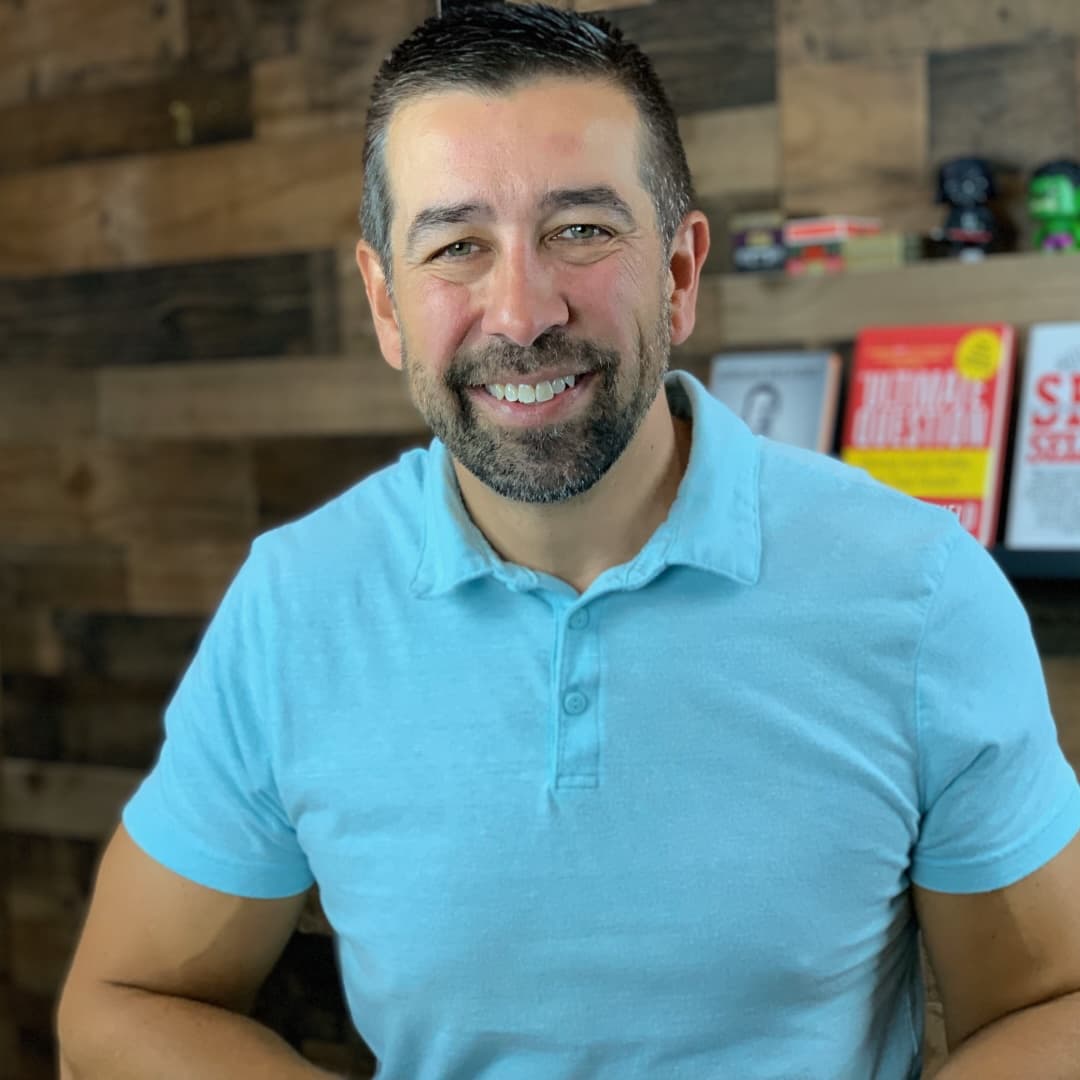
About Bryan Dulaney: CEO and Founder of Perfect Funnel System. Multi-million dollar digital marketer who believes your expertise, powered by the right funnel, can change the world., LinkedIn | Website
Level up your agency:
Listen to The Insurance Dudes Podcast
Get more strategies like this on our podcast. Available on all platforms.
Related Episodes

Trey Lewellen: What Agents Can Learn From a Funnel King
Bill Rice on Building Pipelines That Actually Work (Part 1)

Krista Mashore's Full Marketing Playbook for Agents (Part 2)
Perry Olson on SEO Keywords for Insurance Agents That Rank

Nicholas Ayers Returns With YouTube Ads Updates for Agents
