What E-Commerce's Best Ad Strategist Teaches Agents (Part 1)
Craig and Jason are licensed P&C agency owners, co-authors of Million-Dollar Agency, creators of the trademarked Telefunnel, hosts of The Insurance Dudes podcast, and speakers.
Written and reviewed under our editorial process. Found an error? See our corrections policy.

Win paid traffic for an insurance agency by whispering one specific message to one specific audience, building cold-warm-hot funnel stages instead of running quote-request ads to broad demographics, and serving creative variety so retargeting keeps deepening the relationship.
TL;DR
Win paid traffic for your agency by whispering one specific message to one specific audience (the homebuyer whose builder's risk just lapsed, the restaurant owner underinsured on liquor liability) and by running cold, warm, and hot funnel stages instead of only quote-request ads. Jordan West built e-commerce brands on exactly this stack, and it transfers to insurance.
And yet the underlying mechanics of paid advertising, how you put the right message in front of the right person at the right moment for a cost that makes economic sense, are the same in both industries. Jordan West has built and scaled e-commerce brands using paid traffic as the primary growth mechanism, and the frameworks he uses are directly applicable to insurance agencies that want to grow through digital advertising rather than or alongside traditional lead sources.
The conversation with Jordan is one of those rare cross-industry sessions where the specific tactics are less important than the thinking behind the tactics. Let's start with the thinking.
What is the whisper strategy and why does it convert better?
Jordan has a philosophy about advertising that runs counter to what most insurance agencies do when they try to run ads. He calls it the whisper approach, though the concept has a more common name in direct response marketing: say one thing clearly rather than many things confusingly.
Most insurance agencies, when they run Facebook or Google ads, try to communicate too much at once. They're an independent agency. They shop multiple carriers. They've been in business twenty years. They care about the community. They have competitive rates. They're local and they answer the phone. All of that might be true and all of it might be important to some customer somewhere, but packed into a single ad, it produces noise rather than signal.
The whisper approach picks one specific thing that one specific audience segment cares about and says only that. For a homeowner who just moved into a new house, the one thing might be: "Your builder's risk policy expired at closing and your home isn't covered the way you think it is, here's what to check." For a small business owner in the food service industry, the one thing might be: "Most restaurant owners are underinsured on liquor liability and they don't find out until there's a claim." For a driver who just got their first speeding ticket, the one thing might be: "Your rate increase is coming. Here's how to shop before it hits."
Each of those is a whisper to a specific person in a specific situation. None of them are broadcast messages trying to reach everyone. And the counterintuitive truth about the whisper approach is that it actually reaches more people more effectively than the broadcast approach, because the specific person who matches the message responds at dramatically higher rates, which drives down the cost per click and the cost per lead.
How do I run cold, warm, and hot traffic stages for an agency?
Jordan's framework for paid advertising is built around a specific understanding of the customer's relationship with a brand at the moment an ad finds them. He segments the audience into three categories, and the ad strategy is entirely different for each.
Cold traffic is people who have never encountered your agency before. They don't know you, they have no reason to trust you, and they're not actively shopping for insurance. Ads targeting cold traffic should not ask for a transaction or even a commitment. They should deliver value, information, clarity, or relevance, in exchange for attention. The goal of a cold traffic ad is awareness and the first step toward trust, not a quote request.
Warm traffic is people who have had some meaningful contact with your brand but haven't taken the next step. They watched a video you posted. They visited your website. They've seen your ads multiple times but haven't engaged. Warm traffic ads can ask for a soft conversion, an email signup, a guide download, a quiz completion. These are low-commitment offers that move the prospect one step further into the relationship without requiring the commitment of a quote.
Hot traffic is people who have explicitly signaled intent, they've requested a quote, they've booked a call, they've visited your "get a quote" page multiple times. Hot traffic ads can be direct and transactional. These are the people who are actively deciding, and the ad should address the specific reasons they might not convert: "Still shopping? Here's what makes us different from the quote you're comparing us to."
Most insurance agencies that run paid ads run only hot traffic campaigns, lead gen forms and quote request campaigns targeting broad demographic audiences. They skip the cold and warm stages entirely, which means they're paying to compete with every other agency running the same campaign for the same people who are actively comparing prices. That's the red ocean Jordan's approach avoids by building relationship through the full funnel before asking for the sale.
What has Jordan seen work in commoditized markets that insurance can copy?
One of the most useful parts of the conversation is Jordan's perspective on what he's seen work in markets that seem counterintuitive. E-commerce brands in highly commoditized spaces, basic apparel, kitchenware, supplements, have used the full-funnel paid traffic approach to build dominant positions in markets where they had no obvious product differentiation.
The mechanism is always the same: they build audience first, transaction second. They use video content to build a warm audience, retargeting to deepen the relationship with that audience, and direct-response offers to convert the warm audience at a cost that the cold-traffic-only approach can't match. The agency that does this in insurance, building a local audience of engaged, educated, trusting prospects before asking for the quote, is playing a different game from the one most competitors are playing.
Jordan's experience also offers a perspective on ad fatigue that's worth understanding. In e-commerce, high-frequency advertising to the same small audience produces diminishing returns quickly. The solution is not to reduce frequency but to increase creative variety, serving the same audience different messages, different formats, and different entry points to the same core value proposition. In insurance terms: the homeowner who has seen your "what happens during a home claim" video doesn't need to see it again. But they might engage with a follow-up video on "how to document your belongings before a loss" that they've never seen. Same audience, new entry point, continued relationship-deepening.
How do I map the customer journey before running paid ads?
Before running any paid advertising, answer the question Jordan starts every client engagement with: what does my customer's decision-making journey look like before they buy? Map it out. Where does the journey start? What information are they looking for at each stage? What would move them from awareness to consideration to decision?
Once you have that map, build your advertising around supporting the journey, not short-circuiting it. The cold traffic stage needs content ads. The warm traffic stage needs soft conversion offers. The hot traffic stage needs direct, specific calls to action that address final objections.
Part 2 of the Jordan West conversation gets into the specific platforms, budget allocation, and measurement frameworks that make this system manageable for an agency without a full marketing team. If the strategic foundation resonated here, Part 2 is where it becomes operational.
Catch the full conversation:
This is Part 1 of a 2-part series with Jordan West.
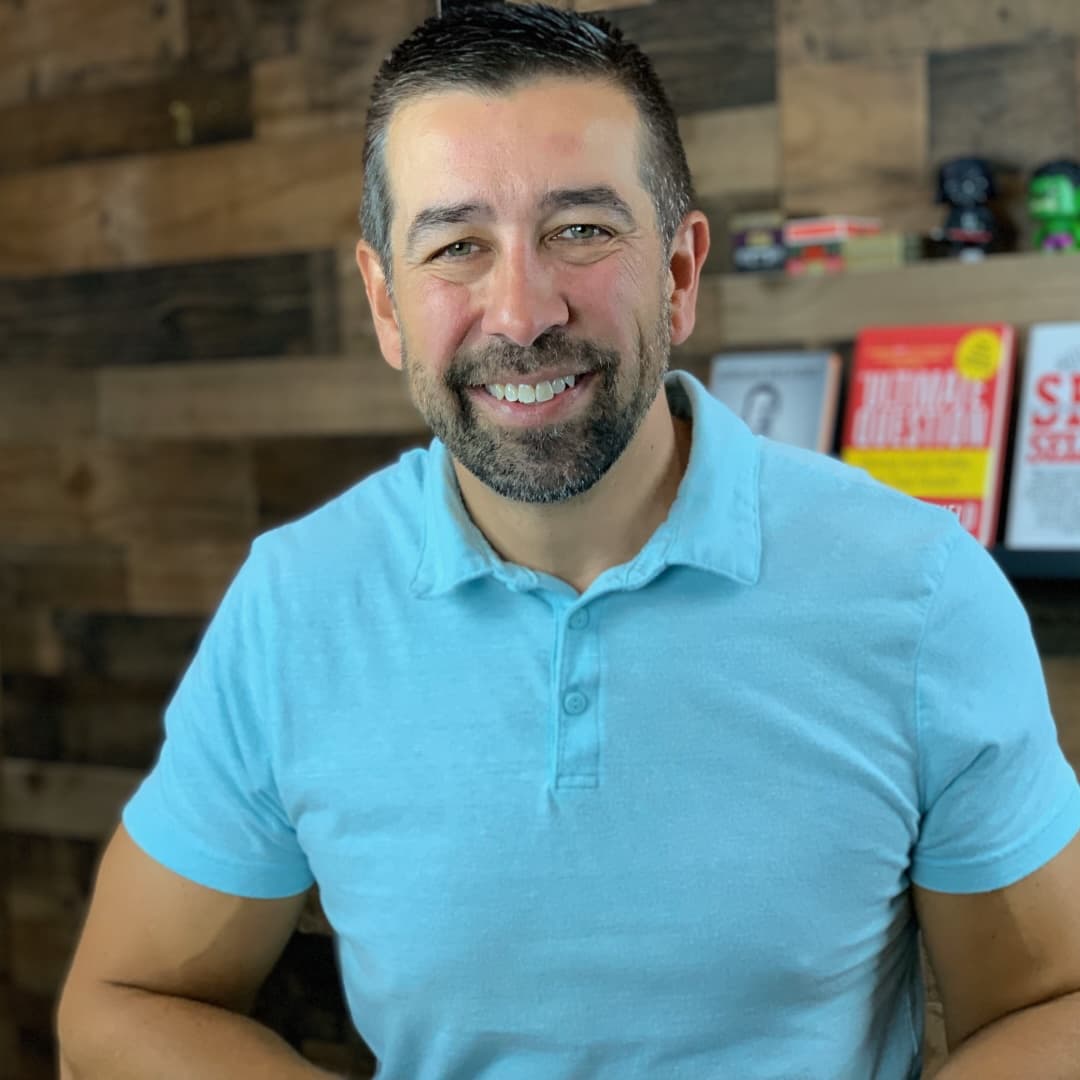
About Jordan West: E-commerce growth strategist and paid advertising expert who has built and scaled consumer brands through full-funnel digital advertising. Advisor, podcaster, and speaker on digital marketing and business growth.
Level up your agency:
Listen to The Insurance Dudes Podcast
Get more strategies like this on our podcast. Available on all platforms.
Related Episodes
Jordan West on Paid Traffic That Works for Agencies (Part 2)

What $500K in Insurance Facebook Ads Taught Us (Part 1)
What $500K in Insurance Facebook Ads Actually Taught Us

Bryan Dulaney's Funnel Formula for Insurance Agents
Preston Schmidli's Digital Marketing Playbook (Part 3)