Ricky on Sustaining Long-Term Cross-Industry Partnerships
Craig and Jason are licensed P&C agency owners, co-authors of Million-Dollar Agency, creators of the trademarked Telefunnel, hosts of The Insurance Dudes podcast, and speakers.
Written and reviewed under our editorial process. Found an error? See our corrections policy.
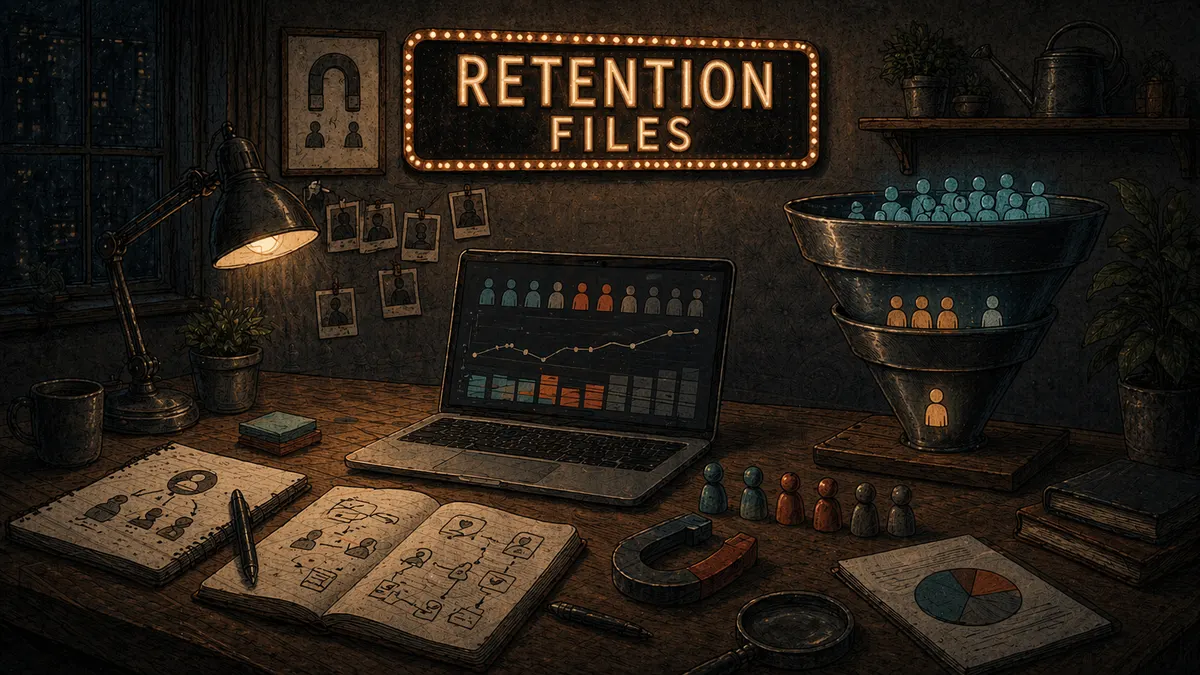
Realtor partnerships last when reciprocity, market-relevant communication, and transparent problem-handling replace one-way lead consumption. Refer business back, send quarterly market updates the realtor can use with clients, and surface coverage issues early instead of three days before closing.
A realtor partnership lasts when three things happen: you refer business back to them, you send market-relevant communication they can actually use with clients, and you surface coverage problems early instead of hiding them until closing. The first referral is a test. The second comes only if you treated the first like a professional partnership, not a lead drop.
Why do most realtor relationships plateau after a few referrals?
The most common trajectory of an agent-realtor relationship is an initial burst of enthusiasm, a lunch meeting, a few referrals, some text message exchanges, followed by a gradual tapering off over six to twelve months. Neither party ends the relationship explicitly. It just slowly stops generating activity.
Ricky diagnoses this pattern clearly. The plateau usually happens because the insurance agent treated the relationship as a lead source rather than a professional partnership. Once the initial goodwill was consumed, there was no ongoing investment replacing it. The realtor's referral cadence dropped because the agent wasn't creating new reasons to stay top of mind, and the agent wasn't providing the realtor with any new value.
The fix is not complicated, but it requires deliberate attention. Maintaining a productive referral relationship over years means treating it like any other professional relationship that requires ongoing investment, regular contact, demonstrated interest in the realtor's business, and reciprocal value flowing both directions.
How do you refer business back to a realtor when you're an insurance agent?
One of the most direct points Ricky makes in Part 2 is about reciprocity. Insurance agents talk to existing homeowners every year at renewal. Those homeowners move. They sell and buy. They ask their insurance agent for recommendations. An agent who has a realtor they trust and actively refers back to that realtor is creating genuine partnership value, not just consuming the relationship for leads.
This matters to productive realtors more than most agents realize. A top realtor who generates twenty or thirty buyer transactions a year has a lot of people asking for their time and their referrals. The vendors who get consistent priority are the ones who generate business back. Not exclusively, a realtor isn't going to refer you just because you referred them if your service is poor, but reciprocity, when combined with good service, is what sustains relationships at a high level over the long term.
This means insurance agents need to be actively asking their clients what their real estate situation looks like. Not aggressively, not as a sales pitch, just as a genuine expression of interest. "Are you planning to stay in this home long-term, or is there any chance you'll be making a move in the next couple of years?" That question, asked naturally at renewal, surfaces opportunities that agents with realtor partners can do something with.
What communication actually lands with a busy realtor?
Ricky describes the communication from vendor partners that he actually finds valuable, which is a useful calibration because most agents have no feedback loop on whether their outreach is landing or being filtered.
Useful communication is market-relevant. An insurance agent who sends a quarterly update on what's happening with homeowners insurance rates in their shared market, premium trends, underwriting changes, coverage issues that are coming up in transactions, is providing information that's genuinely relevant to a realtor's work. If rates are increasing significantly for certain property types or in certain areas, that's information a realtor can use when setting client expectations during the home search.
Useful communication is also specific. A quick message when you've handled a particularly challenging transaction that involved one of the realtor's clients, "that closing was tight but we got it done, the client seemed happy", is far more valuable than a generic check-in email. It's evidence that you're paying attention and that you take the relationship seriously enough to close the loop.
What's not useful: generic newsletters, holiday cards without personalization, invitations to events that have nothing to do with the realtor's business. These aren't offensive, but they don't build the relationship. They're noise at low volume.
How do you handle coverage problems on a referred deal without burning the realtor?
One situation that strains agent-realtor relationships if handled badly is when the client the realtor referred has insurance needs that are complicated, or when the transaction runs into coverage problems. Ricky talks about this directly.
When an issue comes up, an insurer won't write the property, the dwelling value comes in too high for the client's budget, a prior claim is creating underwriting challenges, the insurance agent's job is to communicate proactively to the realtor, not to hide the problem until it's resolved. Realtors hate surprises. They hate finding out three days before closing that the insurance situation is more complicated than expected. The agent who surfaces issues early and communicates clearly about what the options are is handling the hard situation in a way that deepens trust rather than eroding it.
The realtor doesn't expect you to solve every problem perfectly. They expect you to be a professional, to know when there's a problem, to communicate it clearly, and to come with options rather than just obstacles. That's all. The agents who handle these situations with transparency are the ones realtors stay loyal to precisely because they're reliably honest rather than defensively optimistic.
How long does it take to build a realtor network that actually produces?
Cross-industry partnerships with realtors are a long-game investment. The agents who have built the deepest realtor networks in their markets didn't do it in a year. They did it over five to ten years of consistent, professional, reciprocal engagement. The pipeline that produces is not a pipeline in the transactional sense, it's more like a professional network that generates opportunity in an organic and ongoing way.
Ricky's takeaway from both episodes: approach realtor relationships the same way you'd approach any professional relationship you want to last. Show up with something to offer, not just something to request. Be reliable. Be transparent when things are hard. Generate value in both directions. That's not a revolutionary insight, it's just what professional partnership actually looks like when it's working.
Catch the full conversation:
Listen to The Insurance Dudes Podcast
Get more strategies like this on our podcast. Available on all platforms.
Related Episodes
Ricky the Realtor on Why Real Estate and Insurance Pair Up
Trudy Padilla on What Keeps the Realtor Partnership Working
Trudy Padilla on a Cross-Industry Realty Partnership
Matt the Mortgage Guy on Long-Term Partnerships (Part 2)
The Mortgage Guy on Lender Relationship Secrets (Part 1)