Ricky the Realtor on Why Real Estate and Insurance Pair Up
Craig and Jason are licensed P&C agency owners, co-authors of Million-Dollar Agency, creators of the trademarked Telefunnel, hosts of The Insurance Dudes podcast, and speakers.
Written and reviewed under our editorial process. Found an error? See our corrections policy.
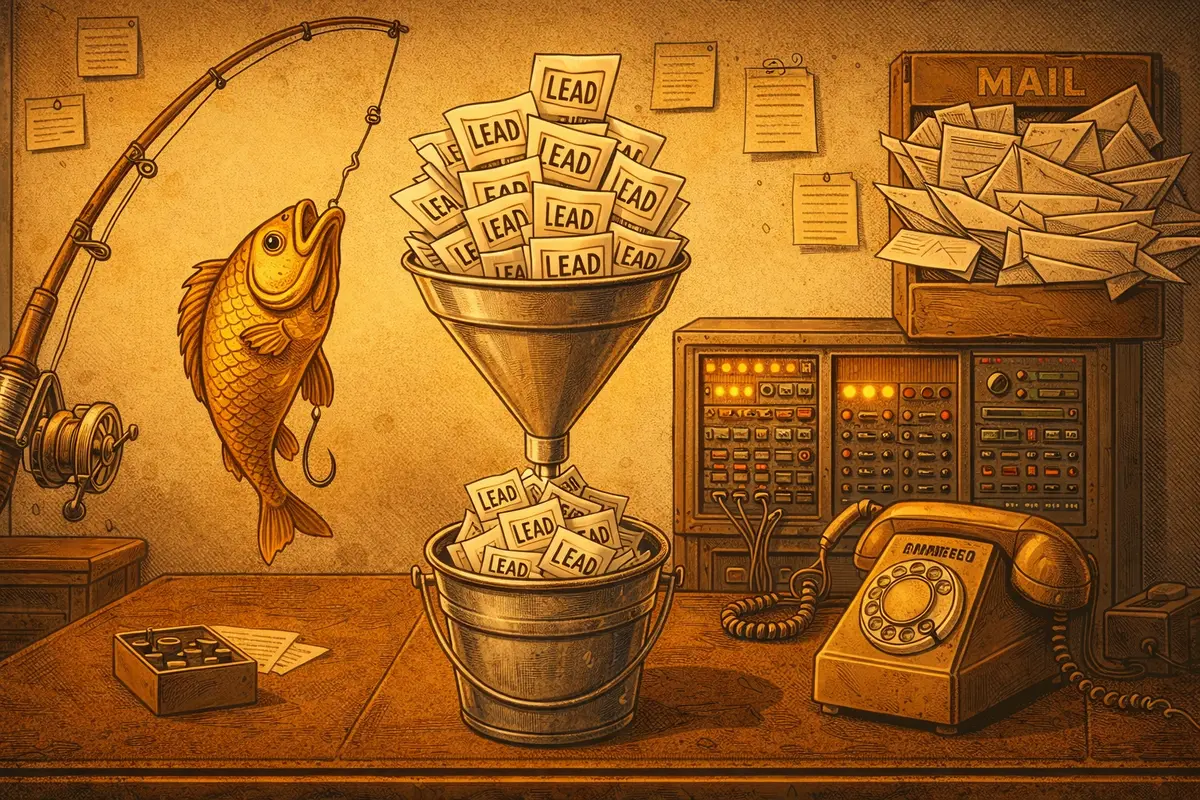
Real estate and insurance share the same buyer at the same closing table. A realtor's recommendation converts dramatically better than cold leads because the trust is already built. Insurance agents who become an asset to the realtor's process, not a vendor waiting at binding, capture that flow.
Real estate and insurance are a natural pair because both serve the same buyer at the same moment: a home purchase closing. The realtor owns months of established trust by the time insurance gets shopped, so a realtor referral converts at a different rate than any cold lead. Agents who position as an asset to the realtor's process, not a vendor at binding, win the flow.
Why does a realtor's referral convert better than any cold lead?
Here is the reality of most home purchase transactions: by the time a buyer needs insurance, they have already developed significant trust with their realtor. They've been through home tours, offer negotiations, possibly multiple deals that didn't close, and hours of conversations about the biggest financial decision of their lives. The realtor relationship is established.
The insurance agent, meanwhile, is typically a stranger, someone the buyer found on Google or through their lender's preferred vendor list or because their current insurer can do homeowners. The trust differential is enormous.
What this means for insurance agents is that getting a realtor's genuine recommendation is worth far more than any amount of paid advertising. When a realtor says to a buyer "you should call my insurance agent," they're transferring a piece of the trust they've spent months building. That recommendation converts at a fundamentally different rate than any cold lead.
Ricky is direct about what makes a realtor willing to make that recommendation: the insurance agent has to be an asset to the realtor's process, not just someone looking to pick up business at the closing table. This distinction, between being an asset and being a vendor, is the central theme of Part 1.
What can an insurance agent actually do for a realtor beyond closing referrals?
Most agents think about the realtor relationship purely in terms of referrals on closed transactions. Ricky pushes back on this frame hard. The insurance-specific value an agent can bring to a realtor is much broader than that, and agents who limit their thinking to the transaction are leaving most of the partnership on the table.
One example: insurance inspectability of properties. When a buyer is considering a home that has visible deferred maintenance, an aging roof, outdated electrical, evidence of water damage, an insurance agent who can give a quick read on insurability is providing information the realtor can actually use. If a property is going to be difficult or expensive to insure, that's material to the buyer's decision and to the offer structure. A realtor who can call their insurance agent for a fifteen-minute consultation on insurability before writing an offer is better equipped to advise their clients.
Most insurance agents are not set up to provide this kind of informal consultation, not because they lack the knowledge but because they've never thought about their role in the transaction that way. Ricky's point is that the agents who make themselves useful at multiple points in the process, not just at policy-binding time, are the ones who become genuinely indispensable to productive realtors.
Another example: post-inspection coverage questions. After a home inspection, buyers frequently have questions that are partly insurance questions, is this thing covered, will this affect my rate, is this a claims-likely situation. Having an insurance agent they can consult informally during due diligence is a service that realtors can offer their clients that most don't have access to because they don't have the right insurance relationship.
How do you build a relationship with a realtor who doesn't know you?
Ricky's experience is mostly as a recipient of outreach from vendors, which gives him a clear-eyed view of what works. The approaches that get through, that result in actual relationships rather than just a business card exchange, share common features.
They're personal. The initial contact has some evidence that the agent knows who the realtor is, what area they work in, what type of clients they typically serve. Generic outreach, "Hi, I'm an insurance agent looking to work with realtors in this area", goes nowhere because it offers nothing specific.
They're value-first. The best first contacts Ricky can recall came with something useful attached, an article about insurability issues in the local market, information about how the current rate environment is affecting homeowners in the area, something that demonstrated insurance knowledge relevant to the realtor's actual work. The offer of value came before any mention of referrals.
And they were persistent without being annoying, consistent contact over time, each piece of communication offering something genuine, building familiarity before asking for anything. The timeline for building a productive realtor relationship is typically measured in months, not weeks. Agents who approach it expecting quick results usually abandon the effort before it has time to develop.
What does Part 2 cover?
The conversation continues in Part 2, where Ricky gets into the specific communication and partnership structures that have produced the best outcomes in the realtor relationships he's been part of, from the insurance agent's side and from the realtor's. If you're building this kind of partnership from scratch or trying to revitalize relationships that went quiet, both parts together are worth the time.
Catch the full conversation:
Listen to The Insurance Dudes Podcast
Get more strategies like this on our podcast. Available on all platforms.
Related Episodes
Ricky on Sustaining Long-Term Cross-Industry Partnerships
Trudy Padilla on a Cross-Industry Realty Partnership
Trudy Padilla on What Keeps the Realtor Partnership Working
The Mortgage Guy on Lender Relationship Secrets (Part 1)
Matt the Mortgage Guy on Long-Term Partnerships (Part 2)