The Mortgage Guy on Lender Relationship Secrets (Part 1)
Craig and Jason are licensed P&C agency owners, co-authors of Million-Dollar Agency, creators of the trademarked Telefunnel, hosts of The Insurance Dudes podcast, and speakers.
Written and reviewed under our editorial process. Found an error? See our corrections policy.
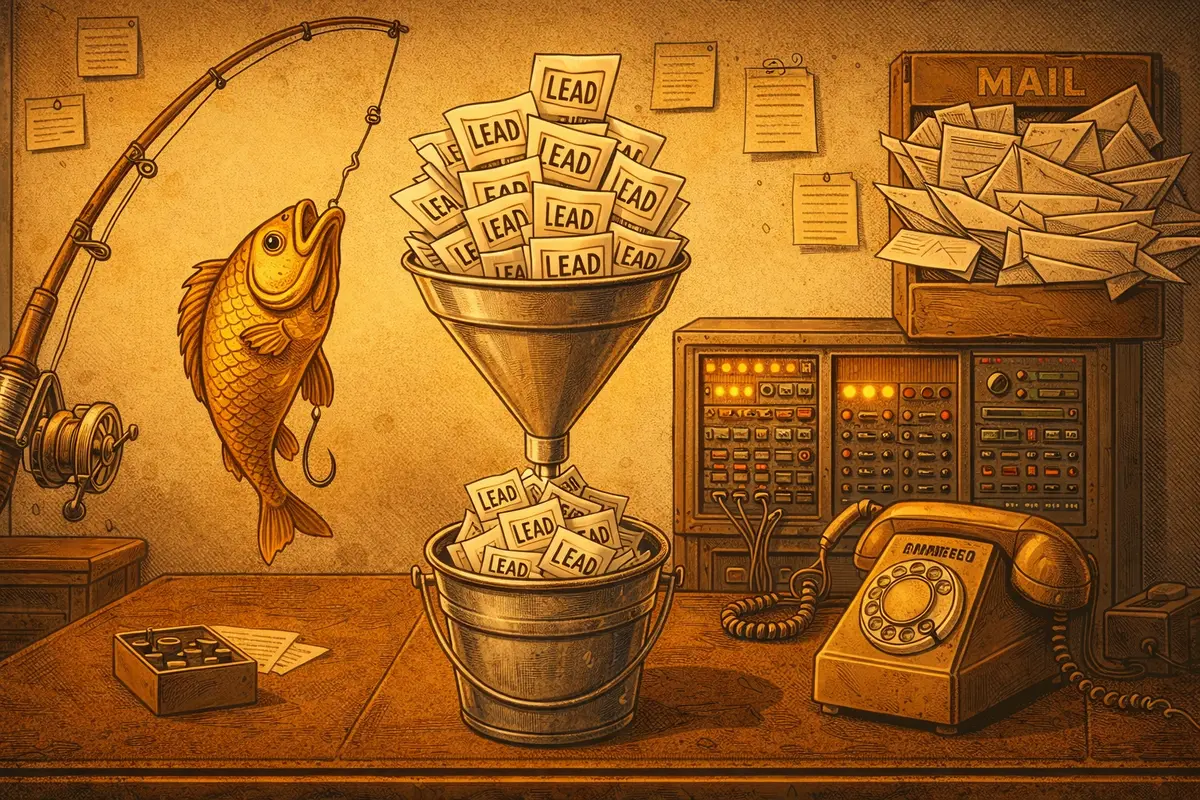
Win lender referrals by removing friction from their closings, not by dropping off donuts. Be fast on certificates, get the mortgagee clause and dwelling minimum right, and specialize in the kinds of buyers (first-time, flood zone, investor) the lender actually serves. Lead with value to them.
Lender relationship secrets for insurance agents come down to four moves: introduce yourself at pre-approval (not closing), respond to every lender request inside an hour, deliver the binder by the promised date even when the carrier is slow, and proactively flag coverage issues before they show up in the lender's review. Every homebuyer who closes a mortgage needs homeowners. The lender knows about them weeks before you do. Strong lender relationships put you in the conversation early.
Matt came on to talk about that gap. His background is in mortgage, which means he understands the closing process from the inside out, and he has watched insurance agents do this well and do this poorly for years. What he shared in Part 1 is the kind of unfiltered perspective that you only get when someone has no particular reason to be diplomatic about the insurance industry's weaknesses.
Why Doesn't Dropping Off Donuts Earn You Lender Referrals?
The most common approach insurance agents take with lenders is transactional. They drop off a box of donuts, leave some business cards, and wait. Maybe they send a holiday card. They think of the lender relationship as a referral pipeline that should produce warm leads on a steady basis without much ongoing investment.
Lenders, especially the productive ones, see right through this. A top mortgage originator who closes forty or fifty loans a year has no shortage of insurance agents calling, emailing, and showing up with donuts. The box of donuts doesn't differentiate anyone. It doesn't demonstrate expertise. It doesn't give the lender a reason to call you instead of the three other agents who also brought donuts last month.
What actually works is being genuinely useful to the lender's process. That means understanding what lenders need during a transaction, not just that the client has a policy, but that the policy meets the lender's specific requirements, that the certificate of insurance is formatted correctly, that the mortgagee clause is right, that the dwelling coverage meets their minimum requirement, and that the effective date lines up with the closing schedule.
Agents who can reliably nail the details of the closing transaction, who don't create problems that require the lender to chase them down, are agents lenders remember. Because the alternative, the agent who creates delays and paperwork headaches, is the one lenders actively warn clients away from.
What Does a Lender Actually Want From an Insurance Partner?
Matt walked through what the ideal agent-lender working relationship looks like from the lender's side, and it starts with communication style.
Lenders work under significant deadline pressure. A closing is a hard date. Everyone on the transaction, the title company, the buyer, the seller, the real estate agents, is coordinating around that date. When the insurance piece is the holdout, it creates stress and friction that nobody forgets. The agent who responds fast, confirms coverage details quickly, and gets the right documents to the right people without being asked twice is immediately valuable.
That responsiveness translates into preference. When a lender mentions to a client at pre-approval that they'll need homeowners insurance before closing and the client asks for a recommendation, the lender is going to recommend the agent who made their last ten closings easier, not the agent who brought the best donuts.
The second element is product knowledge that's relevant to the lender's portfolio. Lenders who work with clients buying in flood zones need insurance agents who understand flood. Lenders who work with investors buying rental properties need agents who can bind landlord policies on tight timelines. A lender who mostly works with first-time buyers wants an insurance agent who can explain coverage in plain language without overwhelming buyers who are already processing a massive financial decision.
When you position yourself as the agent who specializes in exactly the kinds of clients a particular lender works with, the relationship stops being transactional and starts being professional. You become part of the lender's team in a practical sense, not just a vendor on a list.
How Do You Start a Lender Relationship From Cold?
Part 1 covers a lot of ground on how to initiate lender relationships if you don't have any, or how to reset relationships that have stalled. The framework Matt lays out is simple: lead with value you can deliver to the lender, not value the lender can deliver to you.
Instead of walking into a mortgage office and saying "I'd love referrals," walk in with something genuinely useful. It might be a one-page checklist of what the lender's clients need to bring when they call for a homeowners quote, formatted to match the lender's workflow. It might be a willingness to do a brief insurance Q&A for a first-time homebuyer seminar the lender runs. It might be offering to review the lender's current insurance vendor relationships and flag any patterns that are creating closing friction.
Whatever form the initial value takes, the message is the same: I understand your business, I can make your process easier, and I'm not here just to take referrals.
What Does Part 2 Cover?
The lender relationship conversation goes deeper in Part 2, specifically into how to maintain these partnerships over time, how to handle the situations where a client's lender-preferred agent and your agency are competing for the same account, and what Matt has seen agents do to sustain referral relationships that last years rather than months.
If you're building your book through cross-industry partnerships and haven't invested seriously in lender relationships, this two-part conversation is the right place to start thinking about why, and how.
Catch the full conversation:
Listen to The Insurance Dudes Podcast
Get more strategies like this on our podcast. Available on all platforms.
Related Episodes

Matt the Mortgage Guy on Long-Term Partnerships (Part 2)
Ricky the Realtor on Why Real Estate and Insurance Pair Up
Trudy Padilla on a Cross-Industry Realty Partnership
Ricky on Sustaining Long-Term Cross-Industry Partnerships
Trudy Padilla on What Keeps the Realtor Partnership Working