Jason Killings: Numbers Behind Florida Production (Part 2)
Craig and Jason are licensed P&C agency owners, co-authors of Million-Dollar Agency, creators of the trademarked Telefunnel, hosts of The Insurance Dudes podcast, and speakers.
Written and reviewed under our editorial process. Found an error? See our corrections policy.
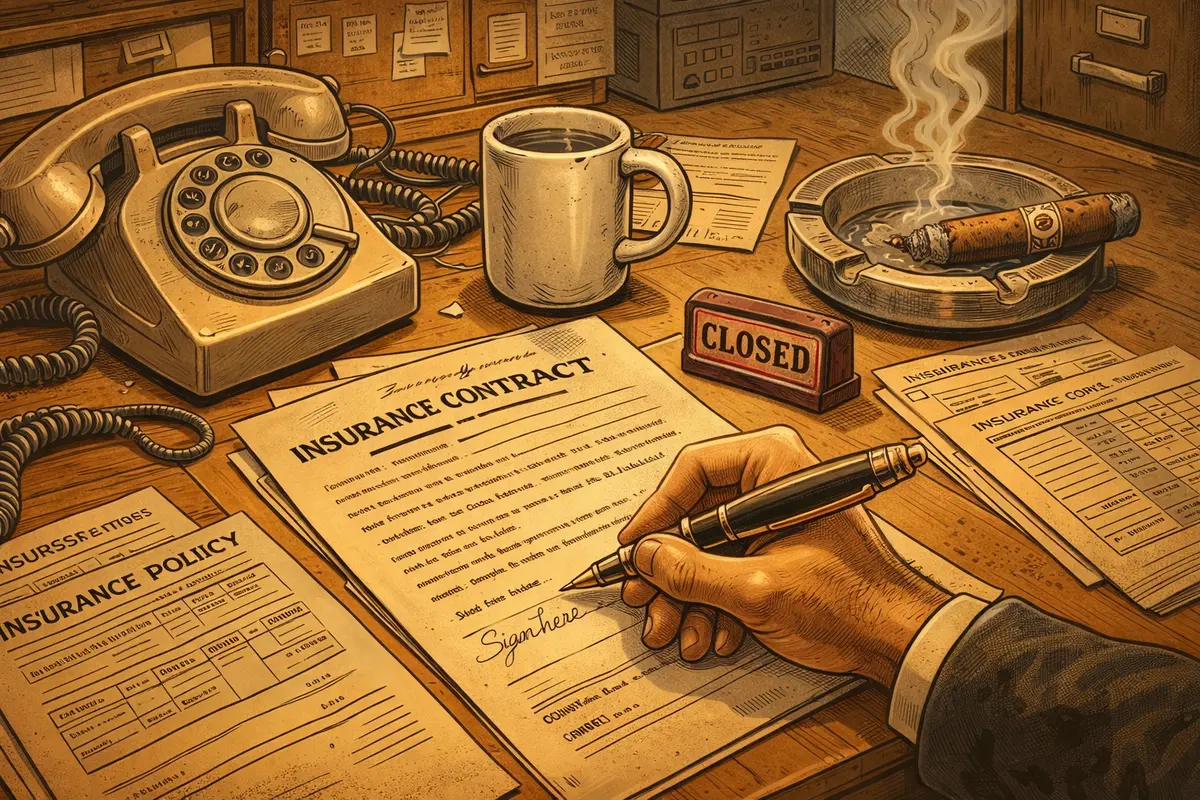
Drive Florida production by mixing referral partners (realtors, mortgage brokers, closing attorneys) with fast-contact internet leads and direct outreach to new homeowners. Track contact rate by source, quote-to-close by agent, and voluntary retention separate from carrier non-renewals.
Florida production runs on three tactics and three numbers. Mix referral partners (realtors, mortgage brokers, closing attorneys) with fast-contact internet leads and public-records outreach to new homeowners. Track contact rate by source, quote-to-close rate by agent, and voluntary retention separate from carrier-driven non-renewals. Then mine the existing book before chasing new leads.
What lead sources work best in the Florida insurance market?
Florida is not a market where you can be passive about leads. Competition for good prospects is intense, carriers are selective about what they'll write, and clients who feel price pressure are actively shopping rather than waiting for their renewal to come around. The agent who isn't actively generating opportunities is losing ground.
Jason's lead mix reflects several channels that work specifically well in the Florida context. Referral networks, built through real estate agents, mortgage brokers, and closing attorneys who are consistently introducing new homeowners to the market, are the highest-quality source. A referral from a trusted professional in the home purchase transaction arrives pre-endorsed and actively in need of coverage, which is about as strong an intent signal as exists.
Internet leads remain relevant but require aggressive contact speed. A Florida consumer who filled out a quote form is simultaneously being contacted by several other agents. The agent who calls within minutes of the lead arriving has a substantially different conversation than the agent who calls four hours later. Jason's operation has the systems to contact leads quickly because he's seen the data on what delayed contact does to close rates.
Direct outreach to specific segments, new homeowners identified through public records, for example, is a strategy that requires more effort but produces prospects who haven't been marketed to death. The Florida public records system is reasonably accessible, and new property purchases represent an obvious insurance need.
Which metrics should Florida agents track every week?
Jason tracks a dashboard of metrics that tell him whether the operation is healthy or heading toward a problem, and he reviews them regularly enough to catch issues before they become crises.
Contact rate by lead source tells him which sources are producing actual conversations versus which are burning through dial attempts without connecting. A lead source with a 12% contact rate is a different product than one with a 28% contact rate, even at identical per-lead cost.
Quote-to-close rate by agent identifies coaching opportunities and surfaces who the best practices are actually coming from. If one agent is closing 38% of quotes and another is closing 22%, that gap is worth understanding from both directions, what's the 38% agent doing, and what's blocking the 22% agent?
Renewal retention rate is the metric that tells him most about client satisfaction and service quality. In the Florida market specifically, carriers sometimes force non-renewals for reasons outside the agency's control, so you have to track voluntary cancellations separately from carrier-driven losses. Voluntary cancellations are the ones that tell you about client experience.
How do you retain Florida clients when carriers force rate increases?
Florida's property market creates a specific service challenge: clients regularly receive rate increases, coverage restrictions, or non-renewal notices through no fault of the agency. Managing client expectations through these events is a significant part of retention, and it requires proactive communication rather than reactive damage control.
Jason's approach to renewal proactiveness reflects this reality. His agency doesn't wait for clients to call about a rate increase, they reach out before the renewal with a review of what's happening in the market and what options exist. That proactive communication does several things simultaneously: it demonstrates that the agency is paying attention, it positions the agent as an advisor rather than just a transaction processor, and it gives the client a positive engagement with the agency at a moment when they might otherwise be deciding to shop around on their own.
The agency that waits for an angry call about a premium increase is in a defensive position. The agency that makes the call first is in an advisory position. The outcomes are different.
What production opportunity are most agents missing in their book?
Jason's observation about the most common gap in other agents' operations is consistent with what comes up across high-production conversations: the failure to leverage the existing book.
Most agents who want to grow focus almost entirely on new client acquisition. The existing client base, people who have already demonstrated they'll buy from you, already trust you, already have a relationship with the agency, gets serviced but not mined. Cross-sell rates in most agencies are far below what the book could support. Referral ask rates are sporadic rather than systematic. Annual review processes that could uncover coverage gaps and upgrade opportunities get skipped because it feels like extra work on clients who are already retained.
The highest-leverage production opportunity for most agencies is in the existing book, not in new lead acquisition. Jason knows this and works it accordingly.
Catch the full conversation:
This is Part 2 of a 2-part series with Jason Killings. Start with Part 1.
Level up your agency:
Listen to The Insurance Dudes Podcast
Get more strategies like this on our podcast. Available on all platforms.
Related Episodes

Jason Killings: King of Florida Production (Part 1)
Keith Zabrocki's Tactical Playbook for Growth (Part 2)
Todd Tomlinson: 31 Years, Two Generations, One Agency
Insurance Agency Growth by the Numbers With Mark Noffsinger

Data Points to Track and Attack: Metrics That Move Agencies
