David Seagraves: Major League Plays From a Farmers Agent
Craig and Jason are licensed P&C agency owners, co-authors of Million-Dollar Agency, creators of the trademarked Telefunnel, hosts of The Insurance Dudes podcast, and speakers.
Written and reviewed under our editorial process. Found an error? See our corrections policy.

Captive agents who grow inside Farmers run three plays: multi-line density on every household from the first call, active use of carrier programs and MDF other agents ignore, and renewals worked as prospecting touchpoints rather than retention checks. Mindset filters the noise.
David Seagraves grows inside Farmers by running three specific plays: he writes every household as multi-line from the first call, he actively works the carrier's internal programs and development funds most agents ignore, and he treats every renewal as a referral conversation. Mindset filters out the carrier noise and protects execution time.
How does mindset actually affect captive agent production?
David's approach to his career isn't accidental. It's constructed around a mindset that filters out the noise, the complaints about the carrier, the frustration with policy changes, the constant comparison to what independent agents have that captive agents don't, and focuses on what can actually be built within the structure at hand.
That sounds simple until you try to maintain it in a market that gives you daily reasons to gripe. Farmers, like every major captive, has its constraints. Commission schedules, product availability, underwriting decisions that don't always make sense from the street level. David knows all of it. He's not operating in ignorance of the challenges. He's operating in spite of them, and that distinction matters.
The major league play starts in your head before it ever shows up in your production numbers. Agents who spend their energy cataloguing what's wrong with their carrier or their district manager or their market don't have energy left for actually growing. David invests his energy where it creates returns.
How does multi-line density actually work inside a Farmers agency?
Let's get specific, because "positive mindset" without specifics is just a motivational poster.
David's production approach is built around multi-line density. That's not a secret strategy, every captive system talks about it. What's different is how seriously David takes it. Where other agents write an auto policy and treat the homeowner's as a bonus conversation, David treats multi-line from the very first call. The mindset shift: he's not selling auto insurance. He's building a household relationship. Auto is the introduction. Home is the commitment. Life, umbrella, and commercial are the indicators that a client has moved from a transaction to a partnership.
The agents who execute multi-line consistently don't do it because they have a better pitch or a better personality. They do it because they've built a process that makes single-line policies feel incomplete. Every step of David's client interaction, from the first quote to the bind confirmation to the post-bind follow-up, is designed to surface the next line. Not as an upsell, but as a natural extension of the conversation he's already having.
What this looks like in practice:
- The first quote includes a bundling question, not a bundling offer. Do you own or rent? opens a door that Would you like to bundle your home? keeps closed.
- The bind confirmation call is also a coverage review. What do they have elsewhere? What's not covered? Where are the gaps?
- The first renewal touchpoint includes a life insurance conversation. Not a pitch, a question about what would happen to their family if something happened to the income that pays all these premiums.
None of these steps are complicated. They're consistent. That's the whole game.
How should a captive agent actually work the carrier relationship?
Here's something David has figured out that most captive agents get backwards: your relationship with the carrier is an asset, not just a constraint.
Carriers have programs, resources, and training that most agents at the street level never access. There are marketing development funds that go unclaimed. There are product trainings that most agents skip. There are district-level relationships that could open doors to referral partnerships, business development opportunities, and profile elevation, and most agents never build those relationships because they're too busy complaining about what the carrier doesn't offer.
David works the internal side of Farmers with the same intentionality he brings to the external side. He's not passive about his carrier relationship. He's not waiting for Farmers to deliver opportunity. He's building the relationship that puts him in position when opportunity exists.
This is the part of the captive model that independent agent advocates miss in the captive-versus-independent debate. The brand, the infrastructure, and the carrier backing that come with a captive appointment are only as valuable as the agent's ability to activate them. David activates them.
Why do most captive agents plateau and how do the top ones avoid it?
The most common plateau pattern in captive agencies goes like this: an agent grinds through the first two years, builds a base book, hits a comfortable production level, and then stops growing because they're managing existing clients and prospecting feels redundant. The book is producing. The commissions are consistent. The urgency to push fades.
David's framework for avoiding this plateau is worth understanding. He doesn't treat his current book as an endpoint, he treats it as a foundation. Every renewal conversation is a prospecting conversation for referrals. Every multi-line client is a potential center of influence who knows other people who need what David sells.
The agents who grow past the plateau aren't just better at sales. They've built systems that treat their existing clients as ongoing sources of new relationships, not just premium to protect. That shift, from managing a book to growing a community, is what separates the agents doing alright from the ones doing major league numbers.
What's the bottom line for captive agents who want to scale?
David Seagraves isn't coasting inside a captive system and he's not complaining about what he doesn't have. He's working the system at a level that most agents in it never reach. Part 1 of this conversation is about the foundation, the mindset and the mechanics that make everything else possible. Part 2 gets into the specific plays that have moved his agency forward when others were stuck standing still.
Catch the full conversation:
This is Part 1 of a 2-part series with David Seagraves.
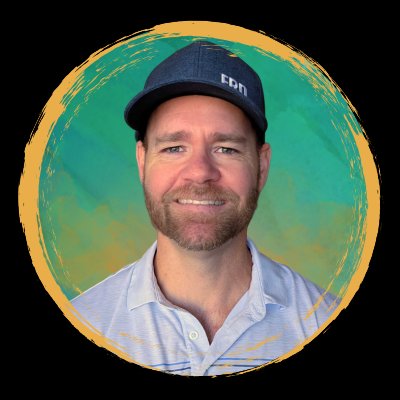
About David Seagraves: David Seagraves is a Farmers Insurance agent who has built a thriving agency by focusing on multi-line density, client relationships, and maximizing the resources available within the captive system.
Level up your agency:
Listen to The Insurance Dudes Podcast
Get more strategies like this on our podcast. Available on all platforms.
Related Episodes
How TJ Larkin Turned a Legacy Agency Into a Growth Machine
David Seagraves: The Plays Keeping a Farmers Agency Growing
Bryan Taylor: Positivity Is a Strategy, Not a Trait (Part 1)
Bryan Taylor's Playbook for Culture When Numbers Are Hard
Insure Your Heroism: Why Top Agents Play the Hero Role
