David Seagraves: The Plays Keeping a Farmers Agency Growing
Craig and Jason are licensed P&C agency owners, co-authors of Million-Dollar Agency, creators of the trademarked Telefunnel, hosts of The Insurance Dudes podcast, and speakers.
Written and reviewed under our editorial process. Found an error? See our corrections policy.

Captive agencies grow year over year by working retention as active outbound contact, hiring for capability not capacity, and auditing weekly activity for what actually drives production. Protect prospecting time first. The captive model holds up when the agent stops resenting it.
A Farmers agency keeps growing past the comfortable ceiling by running three plays. Retention becomes active outbound contact, not passive renewals. Hiring targets capability (a producer or marketer who unlocks the next level), not capacity. Weekly activity gets audited honestly: motion is not direction, and prospecting time gets protected first.
Why does retention matter more than new business for long-term growth?
Every agency owner talks about growth, but the agents who actually build lasting books understand that retention is the engine underneath the headline number. You can write 200 new policies in a year. If you lose 180 renewals, you've worked yourself to exhaustion for a net gain of 20. The agents who grow year over year aren't just selling more, they're keeping more of what they've written.
David's retention approach is active, not passive. He doesn't wait for clients to renew. He doesn't rely on the carrier's auto-renewal system to do the relationship work for him. His team makes outbound touchpoints throughout the policy year, not just at renewal time, specifically designed to keep the agency visible and the relationship warm.
What does that look like in practice? It's not a complicated system. It's consistent scheduled contact: a mid-year check-in call, a birthday or anniversary note, a quick reach-out when something changes in the client's coverage picture (a car added to the household, a teenage driver hitting driving age, a home renovation). These aren't sales calls. They're relationship calls. But they produce sales results because clients who hear from their agent regularly don't shop at renewal. They stay.
The agents who lose clients to competitors almost always have the same problem: the client didn't feel connected to the agency. They felt like a policy number who got a bill every six months. David's team makes sure clients don't feel that way, and the retention numbers reflect it.
Should a captive agent hire for capacity or capability?
Most captive agents run small operations. One or two staff members, maybe a part-time CSR. The economics of the captive commission structure make big teams hard to justify until the book is large enough to support the overhead. David has navigated that tension by being deliberate about who he adds and when.
The conversation he had with Craig and me that stuck was about the difference between hiring for capacity and hiring for capability. Most agents hire when they're overwhelmed, they need someone to handle the call volume, process applications, manage the inbox. That's hiring for capacity, and it usually results in adding bodies rather than building a team.
Hiring for capability means asking a different question: not who can handle the work I have right now, but who can help me get to the next level of production? That might be a licensed producer who can write new business. It might be a CSR who has the personality and the skills to run a retention system without supervision. It might be someone with a marketing background who can build the digital presence David doesn't have time to build himself.
The distinction sounds obvious but the behavior most agents default to is reactive: add someone when it hurts, let them go when it's tight. David's approach is more intentional than that, and his team reflects it.
Are you confusing activity for actual production growth?
This is the part of the conversation that hit hardest. David named something that I think a lot of agents recognize in themselves when they're honest about it.
There's a specific kind of agency owner who is extremely busy and not growing. They have meetings. They have systems. They have a CRM that's partially set up and a marketing plan that's mostly written. They attend the district training and they're active in the agent association. They feel like they're doing the work, and they are doing work, but when you look at their numbers quarter over quarter, the production is flat.
David's diagnosis: they've confused motion for direction. Activity feels like progress because it's tiring. But not all activity moves the business forward. The question he asks himself regularly is: of everything I did this week, what actually drove production? If the answer is vague or small, something in the schedule needs to change.
This is harder to confront than it sounds. It requires looking honestly at how your time is spent and being willing to cut things that feel productive but aren't driving results. For most agents, that means protecting prospecting time with the same seriousness they protect client appointments, because prospecting time is the most commonly sacrificed block when things get busy.
Is the captive insurance model actually worth it over a long horizon?
The final thread from Part 2 that's worth pulling on is David's perspective on what the captive model looks like over a long horizon. The agents who are most frustrated with captive systems are usually the ones measuring themselves against a short-term comparison: what would my commission split be if I were independent?
That's a legitimate question. But it misses a longer calculation. Brand recognition, carrier stability, built-in marketing support, centralized claims handling, and the reduced operational complexity of not managing carrier relationships, these have real value that doesn't show up in a commission rate comparison. David isn't arguing that captive is better than independent. He's arguing that the captive model, worked at a high level for a sustained period, produces a genuinely strong business.
The agents who get the most out of it are the ones who stop resenting the constraints and start optimizing within them. That's the major league mindset in two sentences.
What's the bottom line on keeping a captive agency growing?
David Seagraves across two episodes gave us a picture of a captive agent who is serious about the craft, serious enough to build retention systems, make deliberate hiring decisions, and ruthlessly audit whether his activity is actually moving the needle. There's no secret formula in what he does. There's just consistency, intentionality, and an honest relationship with his own numbers.
That's how major league gets made.
Catch the full conversation:
This is Part 2 of a 2-part series with David Seagraves.
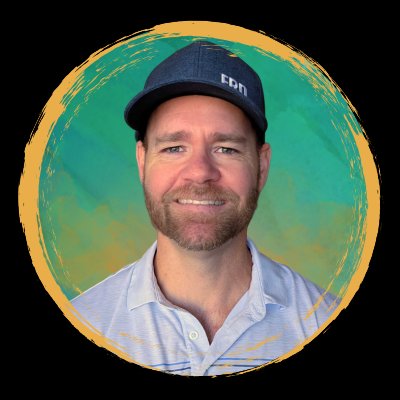
About David Seagraves: David Seagraves is a Farmers Insurance agent who has built a thriving agency by focusing on multi-line density, client relationships, and maximizing the resources available within the captive system.
Level up your agency:
Listen to The Insurance Dudes Podcast
Get more strategies like this on our podcast. Available on all platforms.
Related Episodes
David Seagraves: Major League Plays From a Farmers Agent
How TJ Larkin Turned a Legacy Agency Into a Growth Machine
Policy Reviews Done Right: Stop Arguing With Clients
Disney's Customer Experience Lessons for Insurance Agencies
Kevin Stein Finishes the Wildfire Inyo Story (Part 2)
