Nik Champion on Hiring Producers Who Actually Close
Craig and Jason are licensed P&C agency owners, co-authors of Million-Dollar Agency, creators of the trademarked Telefunnel, hosts of The Insurance Dudes podcast, and speakers.
Written and reviewed under our editorial process. Found an error? See our corrections policy.
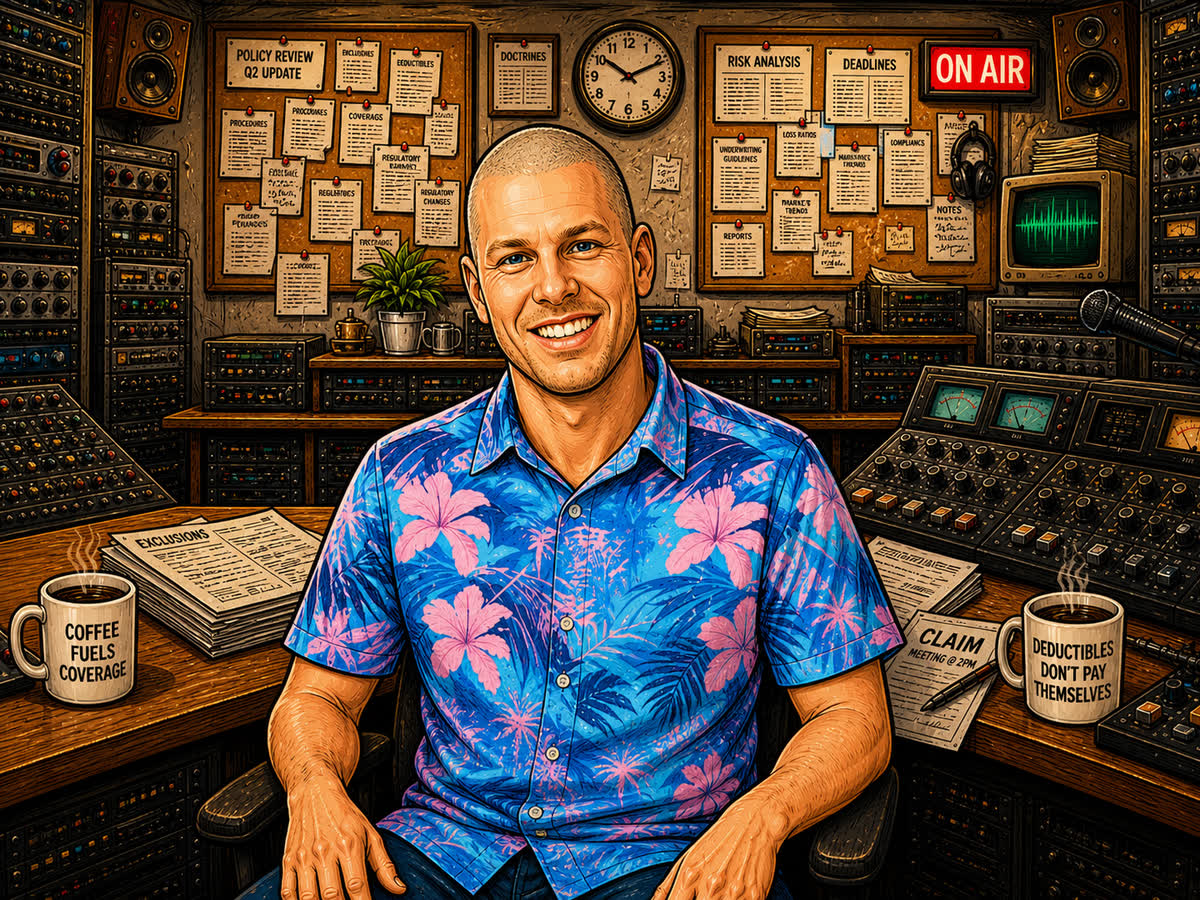
Hire insurance producers using behavioral scenarios and a working interview that tests coachability above everything else. Then give them autonomy over how to hit clear, accountable production targets. Less control over the how, more control over the what, scales past the founder's personal capacity.
Hire insurance producers who actually close by running behavioral interviews and working scenarios, screening hard for coachability, and watching how candidates handle pressure when no one is watching the resume. Then give them real autonomy over the how, while keeping clear accountability for the what. That combination is what built Champion Insurance Agency.
Craig Pretzinger and Eric Brown sat down with Nik to dig into the real mechanics of what's made his agency grow, including some of the uncomfortable lessons that came from client threats, social media missteps, and the complexity of rebranding after an acquisition.
What did Nik Champion learn building Champion Insurance Agency?
Nik Champion's path to agency ownership wasn't a straight line. Like most founders, he came up as a producer first, learning the craft of insurance sales through repetition and failure before he started thinking about how to build an organization around it. The transition from top producer to agency owner requires a fundamental shift in how you think about your time, and Nik navigated that shift by paying close attention to what actually produced results and what just felt productive.
One of the most formative lessons came from a situation most agents hope to never face: a client who became threatening and disruptive. Handling that situation without damaging the agency's reputation, and without creating a social media crisis, required a kind of professionalism that Nik hadn't been explicitly trained for. The experience clarified his thinking about professional boundaries and about how much of an agency's vulnerability lives in its online presence.
The rebranding challenge that came with an acquisition taught him another layer of complexity. Clients have relationships with names and faces, not corporate structures. Changing the name of an agency without losing the relationship equity that built the book requires surgical communication and extraordinary client service during the transition window. Nik developed a playbook for this that most agency owners will eventually need.
How should you actually hire insurance producers who close?
The resume that looks perfect, previous insurance experience, strong references, clean record, often belongs to someone who already has embedded habits that won't serve your specific agency culture. Nik shifted his hiring process toward behavioral assessment: what has this person done under pressure, what do they do when they're not being watched, and how do they respond when a deal falls apart?
These questions don't have clean answers on a resume. They require conversation, scenario analysis, and often a structured working interview. Nik's process involves giving candidates a real sales scenario and watching how they handle it, not just whether they close, but how they think, how they handle objections, and whether they communicate honestly when they don't know something.
The trait he prioritizes above everything else is coachability. A producer who can sell but won't adapt is a ceiling, not an asset. A producer who's less polished but actively seeks feedback and implements it quickly will outperform the veteran who knows everything within 18 months. Nik hires for the trajectory, not the current position.
Social media management is another area where Nik has developed strong opinions. Producers who use personal social media in ways that create professional liability, oversharing, political provocation, unprofessional client interactions, create agency-wide exposure that's almost impossible to contain once it's out. He now addresses digital professional boundaries explicitly in the hiring process and in the onboarding conversation.
Why is staff autonomy a growth strategy, not a risk?
The part of Nik's approach that surprised Craig and Eric most was how deliberately he steps back from his producers' day-to-day work. Most agency owners struggle to delegate because they know they could do the task better themselves, or they worry the task won't be done the way they'd do it. Nik reframed this: the goal isn't to have every producer do things the way you'd do them. The goal is to have every producer hit their numbers with their own style.
This means giving producers ownership over their client relationships, their prospecting approach, and their time management, while maintaining hard accountability to results. Weekly scorecard reviews, clear production targets, and regular one-on-ones create the structure. Within that structure, producers have genuine freedom. That freedom is what retains your best people, because top producers don't stay in environments that feel like micromanagement.
The boundary cases, where a producer's autonomous choice creates a client service problem, are handled explicitly. Nik has a clear protocol for escalating client issues that prevents small problems from becoming public ones. That protocol is trained into every producer from day one.
How do you apply Nik's hiring and autonomy model this month?
Audit your current hiring process this month. If you're not using behavioral interview questions and structured scenarios, you're selecting on credentials that don't predict performance. Add two scenario-based questions to every producer interview you run: "Tell me about a deal you lost that you could have won," and "Describe how you'd handle a client who's threatening to leave." The answers will tell you more than a resume ever will.
On the autonomy side, identify the one area where you're currently micromanaging your best producer. This week, make a deliberate decision to step back from that specific area and let them own it. Set a 30-day check-in to evaluate the results. If it goes well, and it usually will, that's a template for expanding autonomy more broadly.
Review your team's social media presence with fresh eyes. You don't need a policy that prohibits all personal social activity, but you do need a clear conversation about what professional digital behavior looks like and what the boundaries are. Do this before you need it, not after.
What is the bottom line on Nik's hiring and autonomy approach?
Nik Champion built his agency on a counterintuitive principle: less control over how things get done, more control over what results are expected. Hire for traits, train for skills, set clear targets, and then get out of the way. The agencies that scale past the founder's personal production capacity are the ones where this principle is baked into the culture from the start.
About Nik Champion: Nik is the founder of Champion Insurance Agency and has built his business around a referral-first culture and a producer autonomy model that has driven consistent year-over-year growth., LinkedIn
Catch the full conversation:
Level up your agency:
Listen to The Insurance Dudes Podcast
Get more strategies like this on our podcast. Available on all platforms.
Related Episodes

Nicholas Sakha's Social Media Referral Lead Machine
Jas Takhar on Building a Personal Brand That Grows Agencies

Jackson Cromer on Surety Bonds and AI Tools (Part 1)
Jackson Cromer on Scaling Surety Bond Operations (Part 2)

Derek Deminski Grew to 115K Followers With Just the Tips
