What the Grateful Dead Teach Agents About Client Loyalty
Craig and Jason are licensed P&C agency owners, co-authors of Million-Dollar Agency, creators of the trademarked Telefunnel, hosts of The Insurance Dudes podcast, and speakers.
Written and reviewed under our editorial process. Found an error? See our corrections policy.
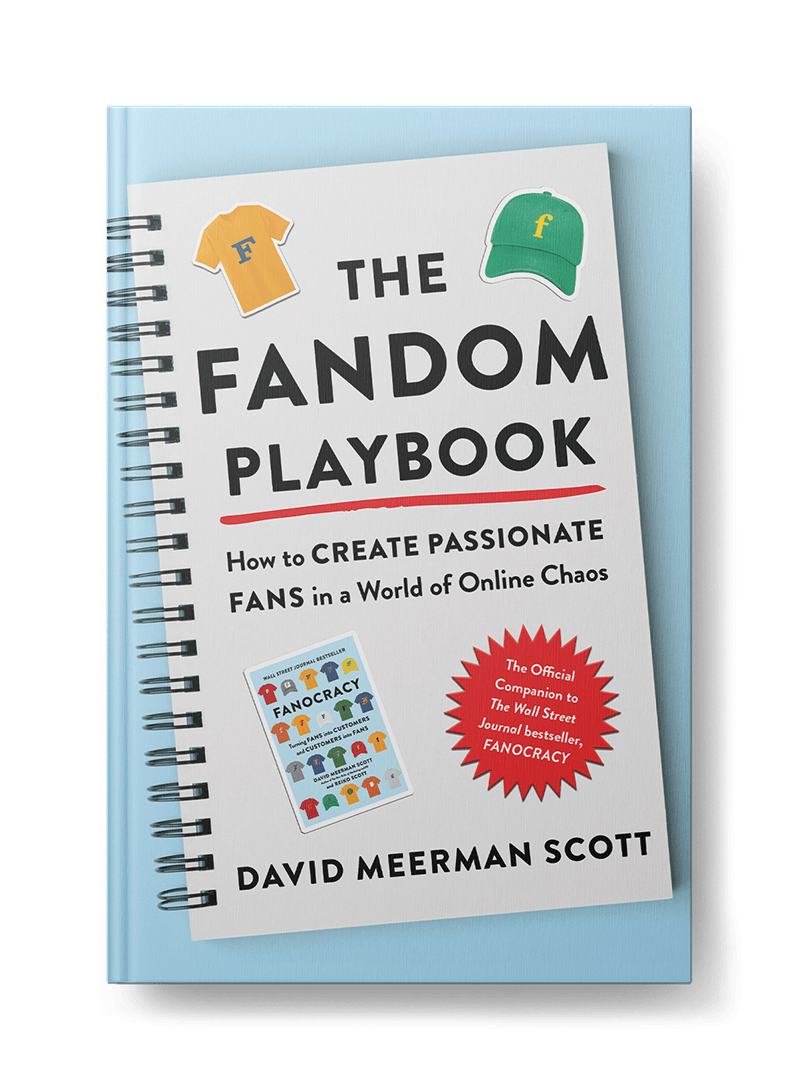
Build a tribe in four steps: proximity through in-person community presence, shared identity clients can belong to, co-creation that puts them in your content, and generosity with no strings. Track referral rate, not just policy count. Fans refer. Customers shop.
Build a tribe by climbing four levels in order: proximity (be physically present in your community), shared identity (give clients something to belong to), co-creation (put clients in your content), and generosity with no strings. David Meerman Scott's research shows fans refer at multiples customers will not. Track referral rate, not policy count.
What can the Grateful Dead actually teach an insurance agency?
David's background is unusual for a marketing author. He spent years on Wall Street, surrounded by spreadsheets and risk models, watching how markets move on sentiment as much as fundamentals. That quantitative lens stuck with him when he pivoted into marketing strategy. He doesn't talk about "vibes" or "brand energy." He talks about neuroscience, proximity, and the measurable behaviors that create fandom.
The Grateful Dead connection isn't random. David studied the Dead's business model extensively and realized they were decades ahead of modern marketing thinking. While every other band in the 1970s and 1980s was fighting bootleg recordings, the Dead encouraged fans to tape their shows. They gave away the content for free and made money on the experience, the live shows, the community, the sense of belonging.
Sound familiar? It should. Every insurance agent who has ever debated whether to give away educational content for free, whether to run a YouTube channel, write a blog, or host community events without a direct sales pitch, is wrestling with the same question the Dead answered forty years ago. The content is the hook. The relationship is the product.
David's research identified a critical insight: human beings are neurologically wired for closeness. The closer you get to someone, physically, emotionally, through shared experiences, the stronger the bond becomes. The Dead understood this intuitively. They didn't just perform concerts; they created environments where fans connected with each other. The parking lot scene before a Dead show was as important as the music itself because it gave fans a community to belong to.
What are the four levels of fandom an agency needs to climb?
Here's where David's work gets tactical for agency owners. He breaks fandom down into levels, and most insurance agencies are stuck at the bottom, the transactional level where clients buy a policy, file a claim, and forget your name until renewal season. Moving up the fandom ladder requires deliberate action.
Level 1: Proximity. Get closer to your clients. Not through more email drips or automated birthday cards, through actual human contact. David's research shows that physical proximity triggers mirror neurons in the brain, creating empathy and trust at a biological level. For insurance agents, this means community events, office open houses, sponsoring local teams, and showing up in person where your clients already gather. The agents who are most present in their communities build the strongest books.
Level 2: Shared Identity. Give your clients something to belong to. The Dead had Deadheads. What does your agency have? A referral club with a name? A Facebook group for local business owners? A quarterly client appreciation event with its own identity? When clients feel like they're part of something, not just a policy number in your management system, their retention goes up and their referral behavior changes dramatically.
Level 3: Co-Creation. Involve your clients in building something. Feature them in your content. Ask for their input on community initiatives. Let them shape the agency's identity alongside you. David found that brands which invite participation from their fans create bonds that competitors literally cannot replicate, because the fans have skin in the game.
Level 4: Generosity Without Strings. This is the Dead principle: give away value with no expectation of return. Free insurance education workshops. Free risk assessments for local businesses. Content that genuinely helps people regardless of whether they ever buy from you. David's data shows that unrestricted generosity triggers a reciprocity response that's far more powerful than any transactional marketing offer.
The mistake most agents make is trying to shortcut straight to loyalty without building the foundation. You can't buy fandom with a gift card at renewal time. You have to earn it through consistent proximity, shared identity, participation, and generosity, in that order.
How do you start building a tribe at your agency this month?
David's framework translates directly into weekly actions. Start with one: pick a community event this month and show up with no agenda other than being present. Not with a booth and brochures, with genuine interest in the people who live in your service area. That's proximity.
Then look at your client communications. Are you building shared identity, or are you just broadcasting policy updates? Create something your clients can opt into that feels like membership, not marketing. A simple name, "The [Your Agency] Insiders", with quarterly events or exclusive content can shift the dynamic from vendor-client to community-member.
Audit your content strategy through David's lens. How much of what you publish is designed to extract (generate leads, capture emails, push quotes) versus contribute (educate, entertain, solve problems with no strings attached)? The agencies with the strongest organic growth almost always lean heavily toward contribution. The extraction takes care of itself when people genuinely like you.
Finally, measure what matters. Track referral sources and referral frequency, not just policy count. An agency with 500 policies and a 40% referral rate is in a fundamentally different position than an agency with 1,000 policies and a 5% referral rate. The first agency has fans. The second has customers. David's entire body of work points to one conclusion: fans win.
What's the bottom line on building a fan-based agency?
David Meerman Scott brought Wall Street analytical rigor and Grateful Dead marketing wisdom into the same conversation, and the result is a blueprint for building the kind of agency that grows through loyalty instead of ad spend. The agents who figure out fandom first will own their markets for decades. Everyone else will keep fighting over the same bought leads.
Catch the full conversation:
About David Meerman Scott: Kenyon College BA in Economics. Former Wall Street bond trader turned marketing strategist. Author of Fanocracy and multiple bestselling books on real-time marketing. Expert in tribe-building and fan-based business growth., LinkedIn | Website
Level up your agency:
Listen to The Insurance Dudes Podcast
Get more strategies like this on our podcast. Available on all platforms.
Related Episodes

Josh Berg on What BLIP Podcast Teaches About Brand
Bradley Hannon on Branding That Actually Works (Part 1)
Bradley Hannon on Brand Execution That Works (Part 2)

David Denning's Marketing Playbook Returns (Part 2)
Dani Kimball on Building Your Insurance Brand

