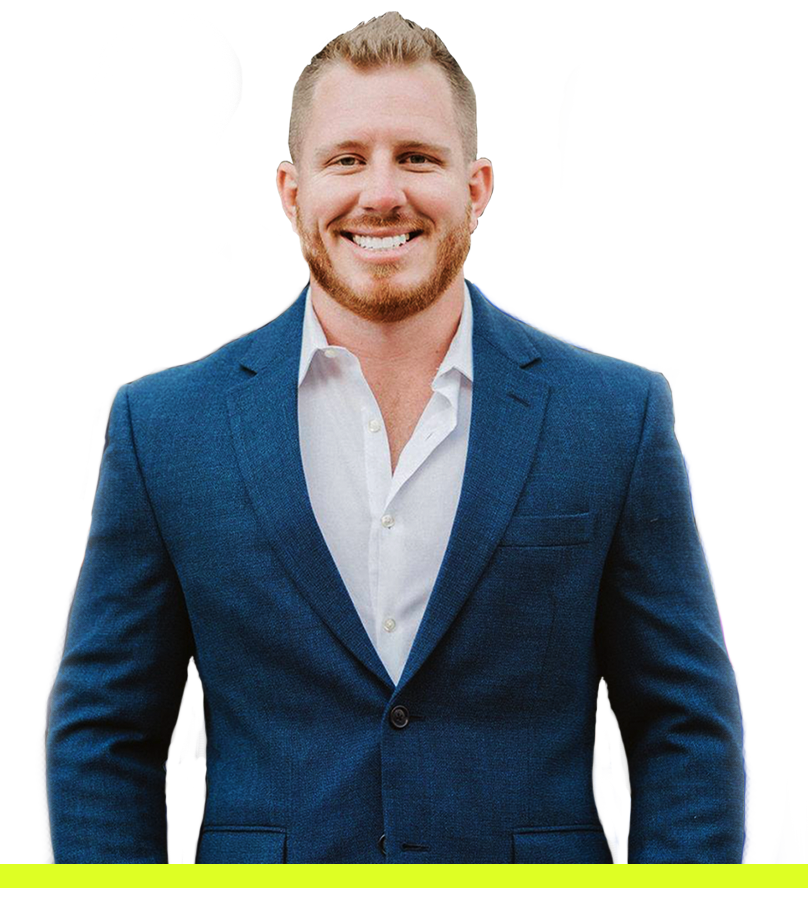
David Denning's Marketing Playbook Returns (Part 2)
Craig and Jason are licensed P&C agency owners, co-authors of Million-Dollar Agency, creators of the trademarked Telefunnel, hosts of The Insurance Dudes podcast, and speakers.
Written and reviewed under our editorial process. Found an error? See our corrections policy.

Agency marketing wins on conversion infrastructure before acquisition spend. Three rules: first contact within five minutes of every lead, a seven-touchpoint nurture across three channels over 30 days, and message-to-market alignment so first-time homebuyers and small business owners do not see the same generic ad.
Agency marketing wins on conversion infrastructure, not on more ad spend. Three rules from David Denning. Hit every new lead inside five minutes. Run a seven-touchpoint nurture across phone, text, and email over thirty days. Match message to market, so first-time homebuyers and small business owners are not seeing the same generic ad. Scale acquisition only after that infrastructure holds, otherwise you are paying to leak.
Where does most agency marketing implementation actually break down?
David Denning is the kind of marketer insurance agents rarely get access to. He lives at the intersection of direct response strategy and insurance agency reality, which means he understands both why a campaign should work in theory and why it typically falls apart in the field. In Part 1, we laid the foundation. In Part 2, we got into the actual mechanics.
The shift in this conversation was from principles to implementation. That's where most agents lose the thread, because implementation requires discipline that principles don't demand. You can nod along to "know your customer" all day. Executing a customer avatar exercise, building messaging around it, and testing that messaging across channels without abandoning ship after two weeks is a different animal entirely.
David has done this work with enough agencies to know where the breakdowns happen. And his willingness to name those breakdowns without softening them is what separates this conversation from the generic marketing content that floods your feed.
What three elements does every agency marketing system need underneath the tactics?
Here's the core idea David came back to hammer home: your marketing system is only as strong as its weakest link, and for most insurance agencies, the weakest link isn't lead generation. It's lead conversion.
Agencies dump money into generating interest and then fumble the handoff. The lead comes in, someone calls back four hours later, leaves a voicemail, and marks the lead as contacted. That's not a lead generation problem. That's a conversion infrastructure problem wearing a lead generation mask.
David's playbook addresses this with what he calls the "follow-through framework", the sequence of touchpoints, timing, and messaging that turns a curious prospect into a quoted prospect and a quoted prospect into a bound policy. It sounds simple when you describe it. It requires real operational discipline to execute it consistently at any kind of volume.
Three elements David insists every agency marketing system needs:
-
A defined response window. The data on lead response time is not ambiguous. Speed-to-contact is the single biggest predictor of conversion. David's standard is aggressive: if you're not attempting first contact within five minutes of a lead coming in, you're leaving a significant percentage of your pipeline on the table. This isn't a preference, it's math.
-
A multi-channel nurture sequence. Not every lead is ready to buy today. Most aren't. The agencies that win long-term are the ones that stay in front of prospects through email, text, and occasional direct mail long enough to be the obvious choice when the prospect is ready to move. One phone call is not a nurture sequence. Seven touchpoints across three channels over thirty days is a nurture sequence.
-
Message-to-market alignment. The message that works for a first-time homebuyer shopping for bundled auto and home is not the message that works for a small business owner shopping for commercial lines. David sees agencies run generic messaging to heterogeneous audiences constantly, and it costs them conversion at every stage. Segmenting your list and customizing your messaging by audience is not optional if you want to compete.
The playbook isn't complicated. It's disciplined. And discipline, as David is direct enough to say, is the thing most agency owners claim to want and consistently fail to sustain.
How do you audit your conversion process before you spend another dollar on leads?
If you've been spending money on marketing and feeling like you're not getting the return you should, the answer is almost certainly not to spend more money. It's to audit your conversion process before you spend another dollar on acquisition.
Pull your last ninety days of leads. Look at your speed-to-contact. Look at your number of follow-up attempts per lead. Look at how many leads received a second, third, or fourth touchpoint. If those numbers are uncomfortable to look at, that's the data telling you where to focus.
Once your conversion infrastructure is solid, then you scale acquisition. Not before. Pouring leads into a leaky conversion process is the most expensive way to run a marketing program, and it's the default approach for the majority of agencies in this market.
David's other big takeaway from Part 2: get your agency's story straight. Not in a brand-strategy-workshop sense, but in a practical, can-your-front-desk-person-explain-why-someone-should-choose-you sense. If the answer to "why us" is "great service and competitive rates," you have a commodity problem. Great service and competitive rates is what every agency claims. What's the specific, demonstrable thing that makes working with your agency different? That answer needs to be in every piece of marketing you run.
What's the takeaway for agencies tired of chasing the next lead vendor?
David Denning came back and finished the job. Part 2 closed the loop on a marketing framework that most agencies talk around but never actually build. The agencies that implement what David laid out, conversion-first infrastructure, disciplined follow-through, message-to-market alignment, and a clear differentiated story, are the ones that compound over time while everyone else is still chasing the next lead vendor.
The playbook exists. The question is whether you'll use it.
Catch the full conversation:
This is Part 2 of the David Denning series. Go back and catch Part 1 if you haven't yet.
About David Denning: Marketing strategist and agency growth consultant who helps insurance professionals build systems that convert., LinkedIn | Jumpstart Go
Level up your agency:
Listen to The Insurance Dudes Podcast
Get more strategies like this on our podcast. Available on all platforms.
Related Episodes

Marketing Strategies That Actually Move the Needle

Dani Kimball on Building Your Insurance Brand
Spend the Most to Win the Most: The CAC Strategy That Works
David Denning's Secret Marketing Playbook (Part 1)

Josh Berg on What BLIP Podcast Teaches About Brand