Nicholas Ayers Returns With YouTube Ads Updates for Agents
Craig and Jason are licensed P&C agency owners, co-authors of Million-Dollar Agency, creators of the trademarked Telefunnel, hosts of The Insurance Dudes podcast, and speakers.
Written and reviewed under our editorial process. Found an error? See our corrections policy.
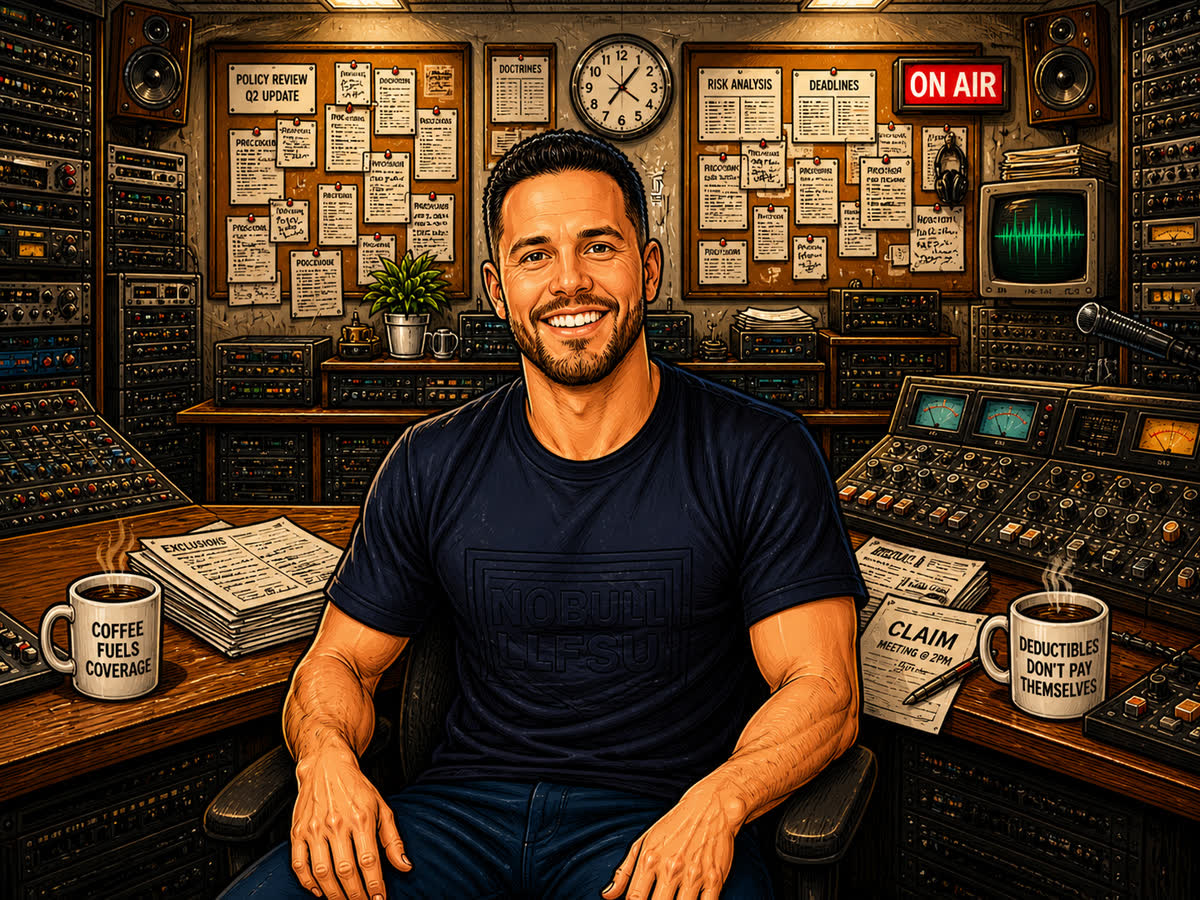
Nicholas Ayers' updated YouTube ad playbook for insurance agents: custom intent audiences targeting recent searchers, shorter creative built on hook-problem-offer, layered local geo targeting, and retargeting people who already visited your site at a fraction of cold cost.
The YouTube ad playbook for insurance agents changed in four ways: custom intent audiences now target people who recently searched specific insurance queries, creative has gotten shorter (hook, problem, offer, in seconds), local geo targeting can be layered with intent signals, and retargeting site visitors converts at a fraction of cold-campaign cost. Most agents have not set up retargeting at all.
Why does YouTube advertising work for insurance agents?
Most insurance agents who experiment with digital advertising start with Facebook. The targeting is intuitive, the ad formats are familiar, and the feedback loop is relatively fast. That is not wrong. Facebook has real value in this industry. But the agents who stop there are leaving one of the most powerful lead generation channels largely untouched.
YouTube advertising reaches people at a different point in their attention cycle than social media. Someone scrolling Facebook is in passive consumption mode. Someone who typed a search query into Google or navigated deliberately to a YouTube video is in active mode, they are looking for something. That distinction matters enormously for how receptive they are to a well-targeted insurance message.
Nicholas Ayers understood this early and has spent years refining how insurance agents can capture that active-mode attention and convert it into genuine prospects. His first appearance on the show reset how a lot of agents were thinking about video advertising. His return appearance updates that framework with everything that has changed since.
What has actually changed on YouTube for ad buyers?
The YouTube advertising environment in late 2020 looks meaningfully different from the one that existed even a year earlier. Google, which owns YouTube, has continued tightening the feedback loop between search intent signals and video ad targeting. The agents who understand how to use those signals have a compounding advantage over agents who are still running broad demographic-based buys.
Key updates Nicholas brings back to the table:
Audience intent has become more precise. Google's custom intent audiences allow advertisers to target people based on what they have been actively searching for, not just demographic profiles or broad interest categories. An insurance agent can now reach people who have recently searched for specific insurance-related queries. The gap between a search intent and a targeted video impression has narrowed significantly.
The creative brief has gotten shorter, not longer. The instinct when making insurance video ads is to explain everything, the coverage options, the agency's credentials, the process for getting a quote. That instinct is wrong. Attention on YouTube is measured in seconds. The ads that perform in 2020 lead with a single specific problem the viewer is experiencing, address it directly, and get to the call to action before the skip button becomes a factor. Nicholas is emphatic on this: shorter wins.
Local targeting has gotten more actionable. For agents with a specific geographic territory, YouTube's local targeting tools have improved meaningfully. You can now layer geographic radius targeting with intent signals in ways that produce a much cleaner audience, people in your market who are actively thinking about insurance. That combination, run consistently, builds brand recognition that compounds over time.
Retargeting is underused by most insurance agents. Nicholas is particularly pointed about retargeting through YouTube. Most agents who run video ads run them cold, reaching people who have had no prior contact with their brand. But retargeting campaigns, which serve video ads specifically to people who have already visited your website or engaged with your content, run at a fraction of the cost of cold campaigns and convert at significantly higher rates. Most insurance agents have not set up the tracking infrastructure to run retargeting at all.
What creative framework actually works for insurance YouTube ads?
Nicholas's core framework for YouTube ad creative in insurance has three components: hook, problem, offer.
The hook exists to prevent the skip. It should address the viewer directly and state something specific that is relevant to their situation. Not "Are you looking for better insurance?" but something more targeted, a question or statement that makes the viewer think the ad was made specifically for someone like them.
The problem section acknowledges what the viewer is experiencing. It should be brief and precise. The goal is not to educate, it is to establish that you understand their situation better than they expected.
The offer is not a features list. It is a single next step with a clear benefit attached. What do they do, and what do they get? That is the entire offer. Everything else is distraction.
The complete script for a high-performing insurance YouTube ad can fit on an index card. If yours doesn't, it is too long.
How do I launch my first YouTube campaign in my agency?
If you are not running YouTube ads today, the barrier to entry is lower than you think. You do not need a production studio. You do not need a professional videographer. You need a clear script, a device with a decent camera, good lighting, and a Google Ads account with proper tracking set up.
The first campaign you run will not be perfect. Run it anyway. The data you collect from an imperfect real campaign is worth more than the imaginary results from the perfect campaign you have not launched yet.
If you are already running YouTube ads, audit your creative against Nicholas's hook-problem-offer framework. Does your current ad have a real hook that earns the next ten seconds? Is the problem statement specific enough to feel personal? Is the offer a single clear action? Most ads that underperform fail on the hook. Fix the hook first.
What's the bottom line on YouTube ads for insurance agents?
Nicholas Ayers is one of the few people in insurance marketing who has actually run large-scale YouTube ad campaigns for agents and tracked what works. His return to the show brings an updated playbook that is immediately applicable. The agents who take the YouTube channel seriously in the next twelve months will have a meaningful head start over those who don't. Go listen to the full episode and build the first campaign.
Catch the full conversation:
About Nicholas Ayers: YouTube advertising strategist and consultant who specializes in helping insurance agencies generate leads through targeted video campaigns., LinkedIn
Level up your agency:
Listen to The Insurance Dudes Podcast
Get more strategies like this on our podcast. Available on all platforms.
Related Episodes

Bryan Dulaney's Funnel Formula for Insurance Agents

Why a Marketing-First Agency Beats a Sales-First One
Why Agents Lose Leads They Already Paid For, and the Fix
Insurance Marketing on a Tight Budget: The Lead Strategy
Bill Rice on Building Pipelines That Actually Work (Part 1)