Travis Chappell on Networking and the Entrepreneurial Itch
Craig and Jason are licensed P&C agency owners, co-authors of Million-Dollar Agency, creators of the trademarked Telefunnel, hosts of The Insurance Dudes podcast, and speakers.
Written and reviewed under our editorial process. Found an error? See our corrections policy.
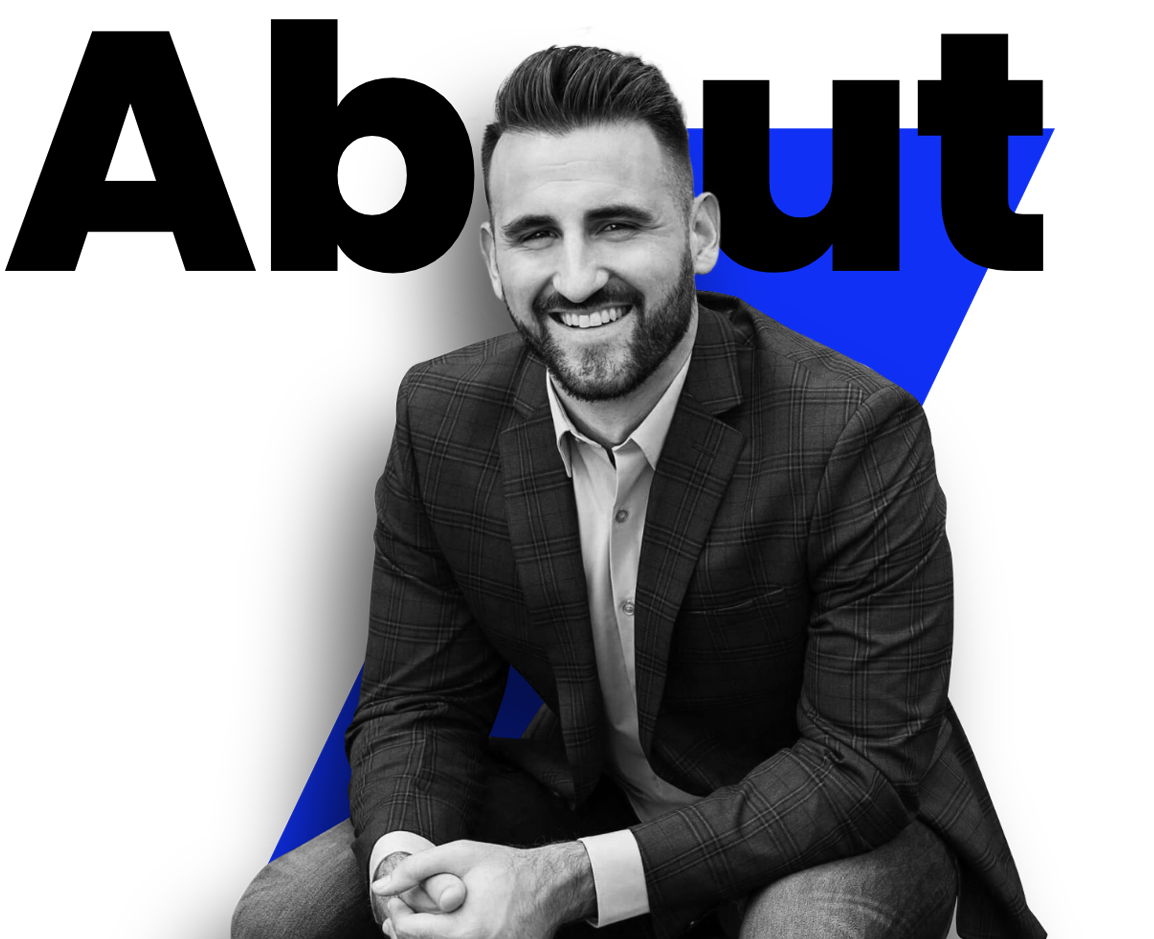
Travis Chappell says the entrepreneurial drive is innate, but networking determines how far it carries you. His method: pick ten target relationships, give value before asking, then propose a mutual arrangement. A local-business podcast doubles as a credibility-and-referral engine.
TL;DR
Travis Chappell's networking framework for insurance agents: pick ten target relationships (realtors, mortgage brokers, planners, attorneys), give value first, then propose a mutual arrangement. Start a local-business podcast to legitimize the reach-out and build local authority at the same time.
Can the entrepreneurial itch really not be taught?
Travis didn't grow up in a business family. He didn't have a trust fund or a network of wealthy connections handed to him. What he had was a feeling, a persistent, almost physical discomfort with the idea of working for someone else, following someone else's plan, and building someone else's dream. That feeling drove him out of conventional career paths and into the messy, uncertain, exhilarating world of entrepreneurship.
The insurance industry is full of both kinds of people. There are agents who treat the job like a job, they clock in, make their calls, hit their numbers, and go home. There's nothing wrong with that. But then there are agents who lie awake at three in the morning thinking about how to build a team, how to acquire another book of business, how to create a brand that outlasts any single carrier appointment. Those agents have the itch. And if you're reading this, there's a very good chance you're one of them.
Travis's point isn't that one type of person is better than the other. It's that if you have the itch, you need to stop fighting it and start feeding it. Stop asking permission. Stop waiting until you feel "ready." The itch doesn't go away with time. It gets louder. The only way to satisfy it is to build.
How do you network strategically instead of randomly?
Where Travis truly shines is in his approach to building relationships. Most people think of networking as exchanging business cards at a Chamber of Commerce mixer, making awkward small talk, and hoping someone remembers you later. Travis thinks that version of networking is almost useless.
Real networking, in Travis's framework, is strategic and intentional. It starts with a simple question: who are the ten people who, if they knew who you were and wanted to help you, could change your business this year? Those ten people are your targets. Not in a manipulative way, in a value-driven way. Your job is to figure out what those people need, how you can help them, and how to get on their radar in a way that's genuine and useful.
For insurance agents, this exercise is transformative. Think about it: who are the real estate agents, mortgage brokers, financial planners, attorneys, and business owners in your market who could send you a steady stream of referrals if they trusted you and valued the relationship? Most agents know the answer to that question but never do anything about it. They wait for referrals to happen organically instead of engineering them through intentional relationship building.
Travis's method involves three phases. First, identify the people you want to connect with. Second, provide value before you ask for anything, share their content, introduce them to people in your network, send them resources relevant to their business. Third, after you've built genuine goodwill, propose a mutually beneficial arrangement. Maybe it's a referral exchange. Maybe it's a joint seminar. Maybe it's a co-branded piece of content. The specific format doesn't matter as much as the foundation of genuine value that precedes it.
Why is a podcast such a powerful networking tool?
Travis is also a podcast host, and he's transparent about the fact that his podcast is as much a networking tool as it is a content platform. When you host a podcast, you have a legitimate, flattering reason to reach out to virtually anyone and say, "I'd love to have you on my show." That invitation opens doors that a cold email or a LinkedIn message never could.
This is directly applicable to insurance agents, and it's more accessible than most agents realize. You don't need a professional studio. You don't need thousands of listeners. You need a smartphone, a free hosting account, and a willingness to have conversations with interesting people in your market. Start a local business podcast. Interview the top real estate agents, restaurant owners, attorneys, and community leaders in your area. Each episode gives you 30 to 60 minutes of genuine, focused conversation with someone who could become a referral partner, a client, or a friend.
The podcast format also positions you as a local authority. When a homeowner in your city Googles "best insurance agent in [your city]" and finds a podcast where you're having intelligent conversations with respected local business owners, that's a level of credibility that no ad spend can buy.
How do you apply Travis Chappell's framework to your agency?
Travis's framework boils down to two directives for insurance agents. First, if you have the entrepreneurial itch, the drive to build something bigger than a solo practice, stop suppressing it. Start taking action on the business you want to build, not the business you currently have. That means thinking about hiring, systems, brand, and partnerships today, even if you're not "ready" for them yet.
Second, make networking a non-negotiable part of your weekly schedule. Block time for it. Treat it with the same seriousness you treat prospecting calls. Identify your top ten target relationships and start providing value to those people this week. Not next month. This week. The agent who has ten strong referral relationships will always outproduce the agent who has zero referral relationships and a bigger ad budget.
The compounding effect of intentional networking is staggering. One great relationship leads to introductions to other great relationships. A single referral partner who sends you two clients a month is worth 24 clients a year, without a single dollar spent on lead generation. Multiply that by five or ten partners and you have a referral engine that generates more business than most agents can handle.
What is the bottom line on networking for insurance agents?
Travis Chappell's message is equal parts inspiration and instruction: the entrepreneurial drive is either in you or it isn't, but the relationships you build will determine how far that drive takes you. His intentional, value-first approach to networking is a proven framework for insurance agents who want to grow beyond cold calling and paid leads into a referral-powered business that compounds year after year.
Catch the full conversation:
About Travis Chappell: Travis is a networking expert, podcast host, and entrepreneur who has built his career on the belief that relationships are the ultimate business asset. He teaches entrepreneurs and business owners how to build strategic networks that open doors and accelerate growth., LinkedIn | Website
Level up your agency:
Listen to The Insurance Dudes Podcast
Get more strategies like this on our podcast. Available on all platforms.
Related Episodes

David Carothers on Business Insurance and the Gold Standard

Killing With Kindness: The Client Service Standard

Nato Guajardo on Turning Cold Leads Into Lifetime Clients
Episode 400: What 400 Shows Taught Us About Agencies
Learning About Craig: The Man Behind the Mic (Episode 300)
