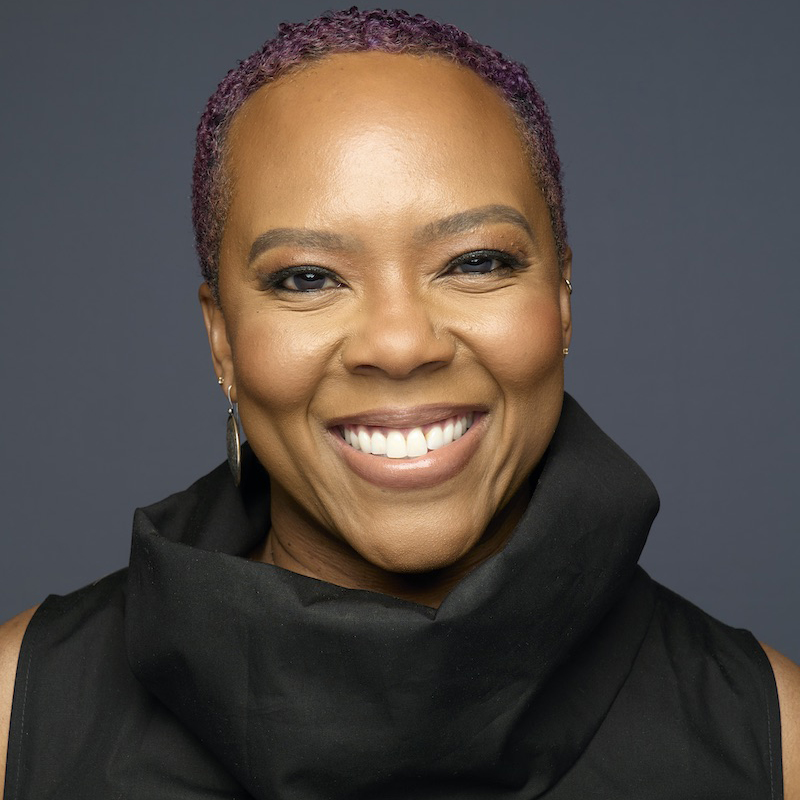
Greg Scealf's Captive to Independent Transition Playbook
Craig and Jason are licensed P&C agency owners, co-authors of Million-Dollar Agency, creators of the trademarked Telefunnel, hosts of The Insurance Dudes podcast, and speakers.
Written and reviewed under our editorial process. Found an error? See our corrections policy.

Going from captive to independent after 30 years takes a methodical transition: build carrier relationships before you leave, plan for the income gap with cash runway, stand up your own tech stack (CRM, quoting, compliance) on day one, and bring your clients with you transparently.
Greg Scealf transitioned from captive to independent after 30 years by running four steps in order: line up carrier appointments months before the announcement, set aside enough cash to absorb the renewal-commission gap, install your own CRM, quoting, and compliance stack before day one, and have a transparent conversation with your existing clients explaining why the move benefits them. Most followed him because they were always his clients, not the carrier's.
Who is Greg Scealf and why does his perspective matter?
Greg Scealf has been providing insurance since 1989. Let that sink in for a moment. When Greg started in this business, the internet was a military research project, cell phones were the size of bricks, and policy applications were literally typed on typewriters. He's seen the industry transform multiple times over, and he's adapted every time.
He spent the bulk of that career in the captive model. He knew the carrier's products inside and out. He knew the underwriting guidelines better than some of the underwriters. He had a book of business built on decades of relationships and a reputation that preceded him in his Tennessee market.
Then he went independent.
This isn't the story of a frustrated new agent who jumped ship because the grass looked greener. This is the story of a seasoned professional who made a calculated decision after weighing decades of experience against the realities of where the industry is heading. And that distinction matters, because the lessons Greg learned apply whether you're three years into your captive career or thirty.
Why does the captive model work for so long before it doesn't?
Greg is honest about the captive model's strengths in a way that most independent agents aren't. There's a tendency in the IA world to trash captive carriers as limiting, outdated, and exploitative. Greg doesn't do that. He acknowledges what the captive model gave him:
Structure and training. When he started in 1989, the captive carrier provided a framework for learning the business. Product knowledge, sales training, compliance education, all of it came packaged and structured. For someone entering the industry with no background in insurance, that structure is genuinely valuable.
Brand recognition. Walking into a prospect's living room with a nationally recognized carrier behind you opens doors. You don't have to explain who you are or why your company is trustworthy. The brand does that work for you. In markets where trust is the primary currency, that brand equity is worth real money.
Operational support. Claims processing, technology platforms, marketing materials, captive agents get a lot of infrastructure they don't have to build or pay for directly. The total cost of that infrastructure shows up in lower commission rates, but the convenience factor is real, especially for agents who want to focus on selling rather than on running a technology stack.
So why leave? Because the model that launches your career eventually becomes the model that caps it.
What finally pushed a 30-year captive agent to leave?
For Greg, the tipping point wasn't a single dramatic moment. It was a slow accumulation of constraints that became impossible to ignore.
Product limitations. When you can only offer one carrier's products, you lose every prospect who doesn't fit that carrier's appetite. In a hardening market, those losses accelerate. Greg found himself watching qualified prospects walk out the door, not because he couldn't sell, but because he couldn't solve their problem with the tools he was given.
Commission compression. Captive commission structures are set by the carrier, and the trend line over Greg's career was clear: they were going down, not up. More production requirements for the same or lower commission percentages. The math eventually stops working, no matter how efficient your operation.
Ownership reality. This is the one that hits hardest. In most captive models, you don't truly own your book of business. The carrier does. Thirty years of relationship building, and the asset you've created is ultimately controlled by someone else. When Greg started thinking about the long-term value of his career, exit planning, legacy, transferable wealth, the captive model's limitations became impossible to rationalize.
What does the captive-to-independent transition blueprint look like?
Greg's approach to going independent was methodical, not impulsive. Here's what he got right:
He built carrier relationships before he left. The independent model gives you access to multiple carriers, but those relationships don't materialize overnight. Greg spent months establishing contracts and understanding each carrier's appetite before officially making the switch.
He planned for the income gap. The transition from captive to independent almost always involves a temporary income reduction. Your renewal commissions may not transfer. Your production incentives disappear. Greg planned for this financially, setting aside enough runway to weather the adjustment period without making desperate decisions.
He invested in technology. Independent agencies need their own tech stack. CRM, quoting platforms, communication systems, compliance tools. Greg researched and implemented these systems before his first day as an IA, so he wasn't trying to build the plane while flying it.
He leveraged his existing relationships. Three decades of serving clients meant three decades of trust. Greg was transparent with his clients about the transition and why it would benefit them. Most followed him, because they were always his clients, not the carrier's.
Should I make the move from captive to independent?
If you're a captive agent contemplating the independent path, Greg's experience offers a clear roadmap:
Don't make the decision emotionally. Make a spreadsheet. Calculate your current total compensation, commissions, bonuses, overrides, carrier-provided benefits. Then model what your income looks like as an independent agent with multiple carriers, higher commission rates, and book ownership. Include the costs you'll absorb, technology, E&O, office overhead, marketing. If the math works, start planning. If it doesn't yet, figure out what needs to change before it does.
If you're already independent, Greg's story reinforces the importance of the infrastructure you're building. Every carrier relationship, every automated system, every documented process adds to an asset that you own completely. Don't take that for granted. Build it deliberately.
What's the bottom line on Greg Scealf's transition?
Greg Scealf didn't leave the captive world because he was unhappy. He left because thirty years of experience showed him exactly where the ceiling was, and he wasn't willing to stop growing. His transition from captive to independent wasn't an escape, it was an upgrade built on decades of preparation, relationships, and clear-eyed analysis of where the industry is heading. Whether you make the same move or not, his playbook is worth studying.
Catch the full conversation:
About Greg Scealf: Tennessee-based insurance professional since 1989. Former captive agent turned independent agency owner. Three decades of experience across both models of the insurance business., LinkedIn | Website
Level up your agency:
Listen to The Insurance Dudes Podcast
Get more strategies like this on our podcast. Available on all platforms.
Related Episodes
Captive vs Independent: The Mindset Shift (Part 2)
The 5 Ps Framework to Scale Your P&C Agency Past Plateau
Core Values That Actually Work for P&C Agency Owners
Why the Old Agency Freedom Model No Longer Works for You
The Ego Problem Quietly Killing Your Agency's Growth