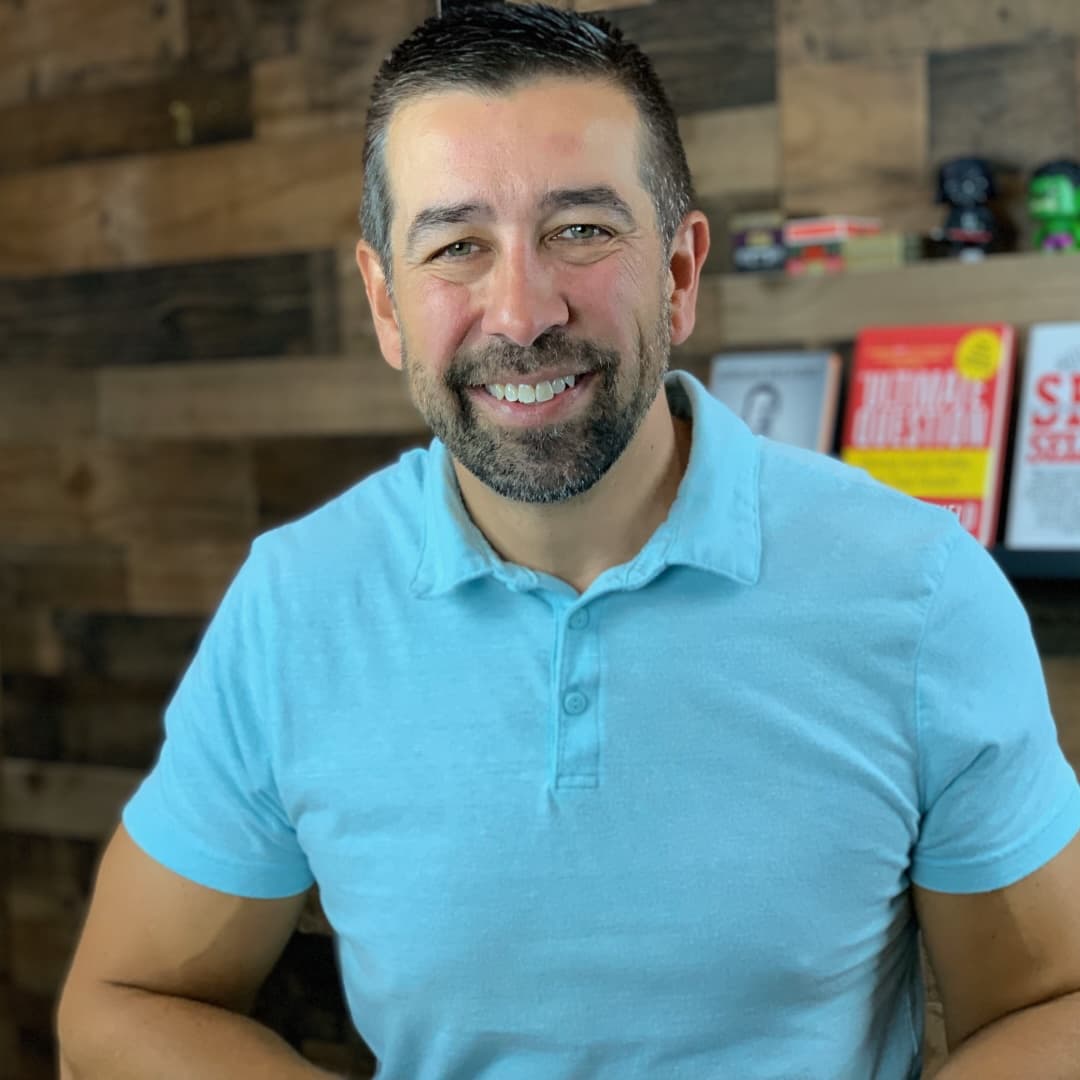
David Carothers on Building a Commercial Referral Engine
Craig and Jason are licensed P&C agency owners, co-authors of Million-Dollar Agency, creators of the trademarked Telefunnel, hosts of The Insurance Dudes podcast, and speakers.
Written and reviewed under our editorial process. Found an error? See our corrections policy.
Build a commercial referral engine by partnering with CPAs, attorneys, payroll providers, and bankers your clients already use. Formalize referral arrangements where compliant. Track every referral in both directions. Qualified inbound commercial leads close at higher rates than any internet lead and cost only your time.
Get paid for leads instead of paying for them by building a referral engine with the CPAs, attorneys, payroll providers, and bankers your commercial clients already use. Formalize the agreements. Track both directions. Qualified inbound referrals close at higher rates than any internet lead and cost only your time.
What's a commercial insurance referral engine actually made of?
David Carothers doesn't need an introduction to anyone who's been paying attention to the commercial insurance world. He's been a fixture in the agency space as an operator, educator, and someone who genuinely does not pull punches when it comes to how agencies should run. His first appearance on The Insurance Dudes left an impression. The return visit goes deeper.
The core concept this time is the commercial insurance referral engine: a structural approach to building a web of relationships that generates inbound commercial leads while simultaneously creating a revenue stream for the referrals your agency sends out. Most agents are familiar with the basic referral concept: serve your clients well, ask for introductions, repeat. What Carothers describes is a more intentional architecture.
The premise is straightforward even if the execution requires patience. Commercial insurance clients are business owners. Business owners need things beyond insurance: accounting, legal, payroll, financing, HR services, marketing. Every one of those needs represents a referral opportunity from your agency to a service provider in your network. And every one of those service providers, if you build the relationship correctly, becomes a source of commercial leads pointing back to you.
This isn't a new concept in theory. What Carothers brings to it is specificity about how you build the network, how you formalize the referral agreements, and critically, how you get compensated for the leads you generate rather than simply hoping for reciprocity.
How are commercial lead economics different from personal lines?
Personal lines agents who venture into commercial often get humbled by how different the game is. In personal lines, you're largely selling commoditized products on price and service. Commercial is a different conversation. Business owners care deeply about coverage accuracy, claims handling, and whether their agent actually understands their industry. Price matters, but it's rarely the deciding factor the way it is in auto and home.
That environment changes the lead economics completely. A qualified commercial lead (a business owner who's already been warmed up by a referral partner and is expecting your call) has a dramatically higher close rate than an internet lead who submitted their information to three agencies simultaneously. The cost of that lead, if you've built your referral network properly, is your time and the effort you put into your partnerships. That is a fundamentally different cost structure than paying a vendor.
Carothers makes the case that most independent agents are dramatically underinvested in commercial, partly because they don't have a system for building commercial referral relationships and partly because commercial feels more complex and intimidating. The complexity is real but manageable. The intimidation is something you push through by starting small: one industry niche, one referral partner category, one vertical at a time.
The other piece that Carothers brings precision to is the revenue-generating side of your outbound referrals. When you send a business owner client to an accountant, an attorney, or a payroll provider, that referral has value. Formalizing that value (whether through referral fees where legal and compliant, reciprocal lead agreements, or strategic partnerships with defined expectations) changes your referral activity from an act of goodwill into a line item on your revenue model.
How do I start building referral partnerships from where I am today?
The first step is mapping your current commercial book and identifying the adjacent service needs your clients have. If you have ten commercial accounts, nine of those business owners have a CPA, a lawyer, some kind of HR function, and probably a banker. Do you have relationships with any of those service providers? Are any of those service providers sending commercial leads your way? If the answer is mostly no, you have a blank canvas.
Start with one category. Pick the service category that is most relevant to your existing commercial clients and reach out to three or four providers in that space. The pitch isn't complicated: you have business owner clients who need your services, you want to build a relationship where you refer to each other and both networks benefit. Most professionals respond positively to that conversation because they're doing the same math you are. Qualified referrals close faster and at higher value than cold outreach.
Track every referral you send and every referral you receive. That data becomes the foundation for conversations about the health of the partnership and the basis for formalizing the arrangement if both parties want to go deeper.
Why will referral ecosystems beat ad spend over the next decade?
David Carothers returns to The Insurance Dudes with a message that should reframe how you think about lead cost and lead flow. The agencies that win in commercial over the next decade won't be the ones that outspend competitors on lead vendors. They'll be the ones that build referral ecosystems deep enough and wide enough that the leads come to them and they get paid for the leads they send out. Stop paying for leads. Start building the engine.
Catch the full conversation:
About David Carothers: David Carothers is a commercial insurance agency owner, podcast host, and educator in the independent agency space. He is known for his direct, practical approach to commercial lines growth and agency systems.
Level up your agency:
Listen to The Insurance Dudes Podcast
Get more strategies like this on our podcast. Available on all platforms.
Related Episodes
David Carothers on True Partnerships in Commercial Insurance

Real Estate Intelligence for Insurance Agents (Part 2)
David Carothers on Business Insurance and the Gold Standard

Raghav Tanna: From Commercial Producer to Insurtech Founder
Internet Leads Debunked: Myths Killing Your Pipeline