Ryan Hanley's Blueprint for Insurance Marketing Growth
Craig and Jason are licensed P&C agency owners, co-authors of Million-Dollar Agency, creators of the trademarked Telefunnel, hosts of The Insurance Dudes podcast, and speakers.
Written and reviewed under our editorial process. Found an error? See our corrections policy.
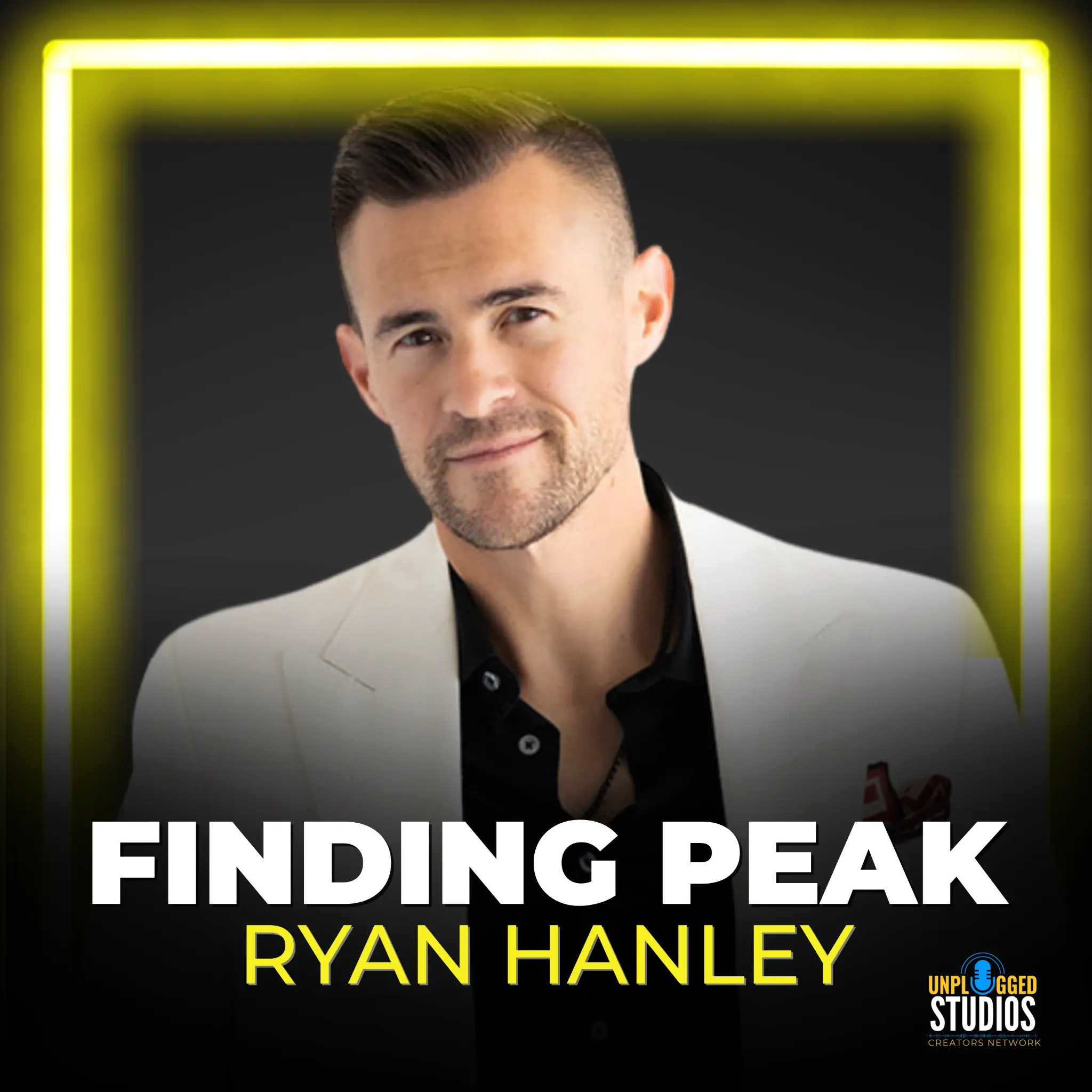
Ryan Hanley has spent his career helping individuals and organizations create meaningful long-term growth through content strategy and marketing. His framework for insurance agents replaces short-term tactics with sustainable systems that compound over time.
Ryan Hanley's marketing blueprint for insurance agents is to publish one piece of client-facing, search-optimized content every week for two years minimum, answer the questions clients actually ask (not industry insider topics), and put your face on a personal brand consistently. Content compounds: 52 pieces a year for five years is 260 nets catching prospects while your competitors restart their ad budget every month.
How does the content compound effect work for an insurance agency?
Ryan's central marketing thesis is elegantly simple: every piece of content you create is a permanent digital asset that works for you twenty-four hours a day, seven days a week, for years after you publish it. A blog post answering "What does full coverage auto insurance mean?" that you write today will still be attracting search traffic and generating leads three years from now. A YouTube video explaining "How to file a homeowners insurance claim" will still be found by homeowners who just had a tree fall on their roof in 2025.
This is the compound effect applied to marketing. Most agents think about marketing in transactional terms. I spend money today, I get leads today, those leads either convert or they don't. That's a linear model. Ryan's model is exponential. Every piece of content you create adds to a growing library that generates increasingly large returns as the library expands.
The math is compelling. If you create one piece of search-optimized content per week, after one year you have fifty-two pieces of content working for you. After two years, one hundred and four. After five years, two hundred and sixty. Each piece is a net that catches a certain number of prospects searching for answers to insurance questions in your market. The cumulative effect of two hundred and sixty nets is dramatically different from the effect of five nets, and the cost of creating content number two hundred and sixty is the same as the cost of creating content number one.
This is why Ryan is so emphatic about consistency. The agents who create content sporadically, a burst of five posts followed by three months of silence, never reach the tipping point where the compound effect kicks in. The agents who create one piece of quality content per week without exception for two or more years build organic marketing engines that their competitors literally cannot replicate without investing the same amount of time.
Who should you actually be writing content for?
One of Ryan's most pointed observations is that many agents who do create content are creating it for the wrong audience. They write about insurance industry trends, carrier changes, and regulatory updates, topics that are interesting to other insurance professionals but completely irrelevant to consumers. Their content library is full of industry insider material that no potential client would ever search for.
The fix is to think like your client, not like an agent. What questions do your clients actually ask you during sales calls, at renewals, and after claims? Those questions are your content strategy. "What's the difference between liability and full coverage?" "Does my homeowners insurance cover flooding?" "Why did my auto premium go up when I didn't have any claims?" "How much life insurance do I actually need?"
These are the questions real people type into Google. These are the questions that represent someone actively looking for help with an insurance decision. If your content answers these questions better than anyone else in your market, you become the de facto authority for insurance information in your area. And when those people are ready to buy, they don't search for an agent, they already found one. You.
Ryan's framework for identifying content topics is practical: spend one week writing down every question a client or prospect asks you. At the end of the week, you'll have twenty to thirty content topics, each one directly tied to what your market actually wants to know. That's six months' worth of weekly content right there, and you didn't have to brainstorm a single topic from scratch.
Why does the agent's personal brand beat the agency brand?
Ryan is an outspoken advocate for agents building personal brands, and he draws a clear distinction between a personal brand and an agency brand. Your agency brand is your logo, your office, your carrier appointments. Your personal brand is you, your face, your voice, your perspective, your expertise.
In a commoditized industry where every agency can offer similar products from similar carriers at similar prices, the personal brand of the agent is the primary differentiator. Clients don't choose between State Farm and Allstate, they choose between the agent they trust and the agent they don't know. Your personal brand is the mechanism by which strangers become aware of you, form a positive impression, and eventually choose you over every other option.
Building a personal brand doesn't require a massive budget or professional production. It requires showing your face consistently on whatever platform your target market uses. For most local agents, that means Facebook, YouTube, and Google Business Profile. Show your face. Use your real name. Share your genuine expertise. Let people see the human behind the agency. Over time, that visibility creates familiarity, familiarity creates trust, and trust creates clients.
The agents who resist personal branding, who hide behind their agency logo and never show their face, are voluntarily giving up the most powerful marketing asset they have. In a world where consumers are drowning in choices, the agent who feels like a real person wins.
Why do you have to think in three-to-five-year windows?
Insurance is an industry that tends to think in quarterly terms. What's my production this quarter? What's my retention this quarter? What's my marketing ROI this quarter? Ryan challenges agents to think in three-to-five-year windows instead.
The content strategy that generates massive organic traffic takes eighteen to twenty-four months to mature. The personal brand that becomes synonymous with insurance in your community takes two to three years to build. The referral network that generates a steady flow of warm introductions takes years of consistent relationship-building.
None of these assets are visible in a quarterly report. All of them are visible in a five-year retrospective. The agents who invest in long-term marketing assets while their competitors chase short-term tactics end up with an insurmountable advantage, not because they're smarter, but because they were more patient.
What does Ryan's blueprint look like in practice for your agency?
Ryan's framework gives agents a clear and actionable marketing path. Start creating one piece of client-facing, search-optimized content per week. Focus on answering the questions your clients actually ask. Show your face and build your personal brand alongside your agency brand. And commit to this strategy for a minimum of two years before evaluating results.
This requires patience and faith in the process. You won't see dramatic results in month one or month three. But by month twelve, you'll have fifty-two pieces of content generating organic traffic. By month twenty-four, the compound effect will be undeniable. And your competitors who spent the same two years on Facebook ads and direct mail will be starting over from zero every single month.
What's the bottom line on Ryan's marketing approach?
Ryan Hanley's marketing blueprint for insurance agents is built on a foundation of long-term thinking, consistent content creation, and authentic personal branding. It's not the fastest path to results, but it's the most durable. Stop renting attention with ads and start building assets that compound. Every piece of content is a brick in a wall that gets more valuable with every addition.
Catch the full conversation:
About Ryan Hanley: Ryan is a creator, strategist, and speaker dedicated to helping individuals and organizations create meaningful long-term growth. Through keynote presentations and customized workshops, he's become one of the most influential voices in insurance marketing and personal branding., LinkedIn | Website
Level up your agency:
Listen to The Insurance Dudes Podcast
Get more strategies like this on our podcast. Available on all platforms.
Related Episodes

What the LPGA's Golf Queen Teaches Agents About Social

John Lee Dumas on Building a Media Empire From Scratch

What Agents Can Learn From Natalie Jill's Playbook

Todd Hartley's Video Marketing Playbook for Agents

Dan Herrenbruck's $18M Book Built Without Home Insurance